Rockabilly Sound: Twang, Slapback, and Pure Groove Pressure
Rockabilly production is usually most effective when arrangement choices stay focused and rhythm-forward.
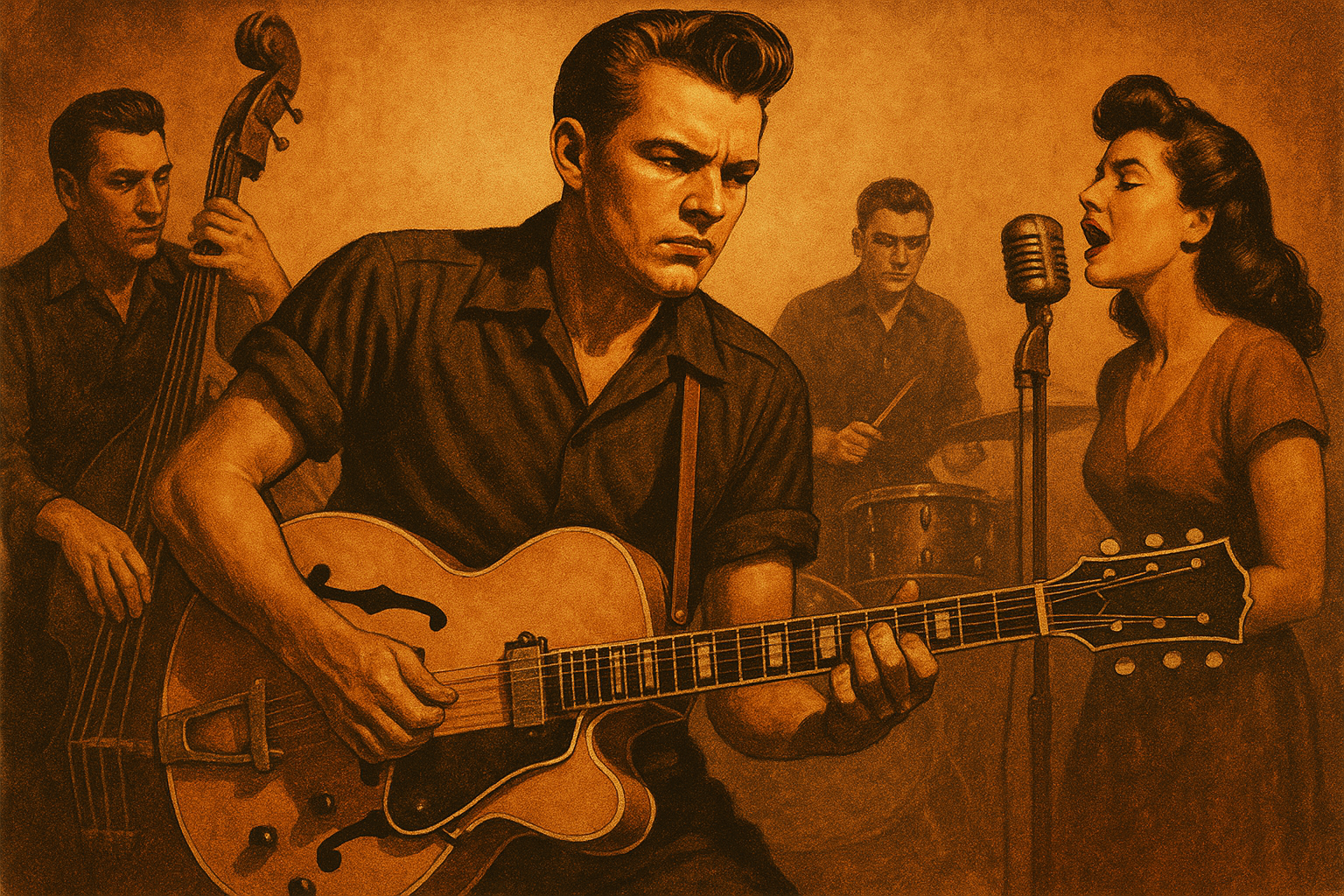
Across classic and modern recordings, impact often comes from tight playing, controlled space, and clear interaction between guitar, upright bass, and drums.
Slapback: The Signature Move
Slapback echo is one of the most recognizable production references in rockabilly-oriented recordings.
A common starting approach is short delay, single repeat, moderate blend, and clear attack.
Excessive delay depth can reduce groove definition, especially in dense live mixes.
Guitar Approach
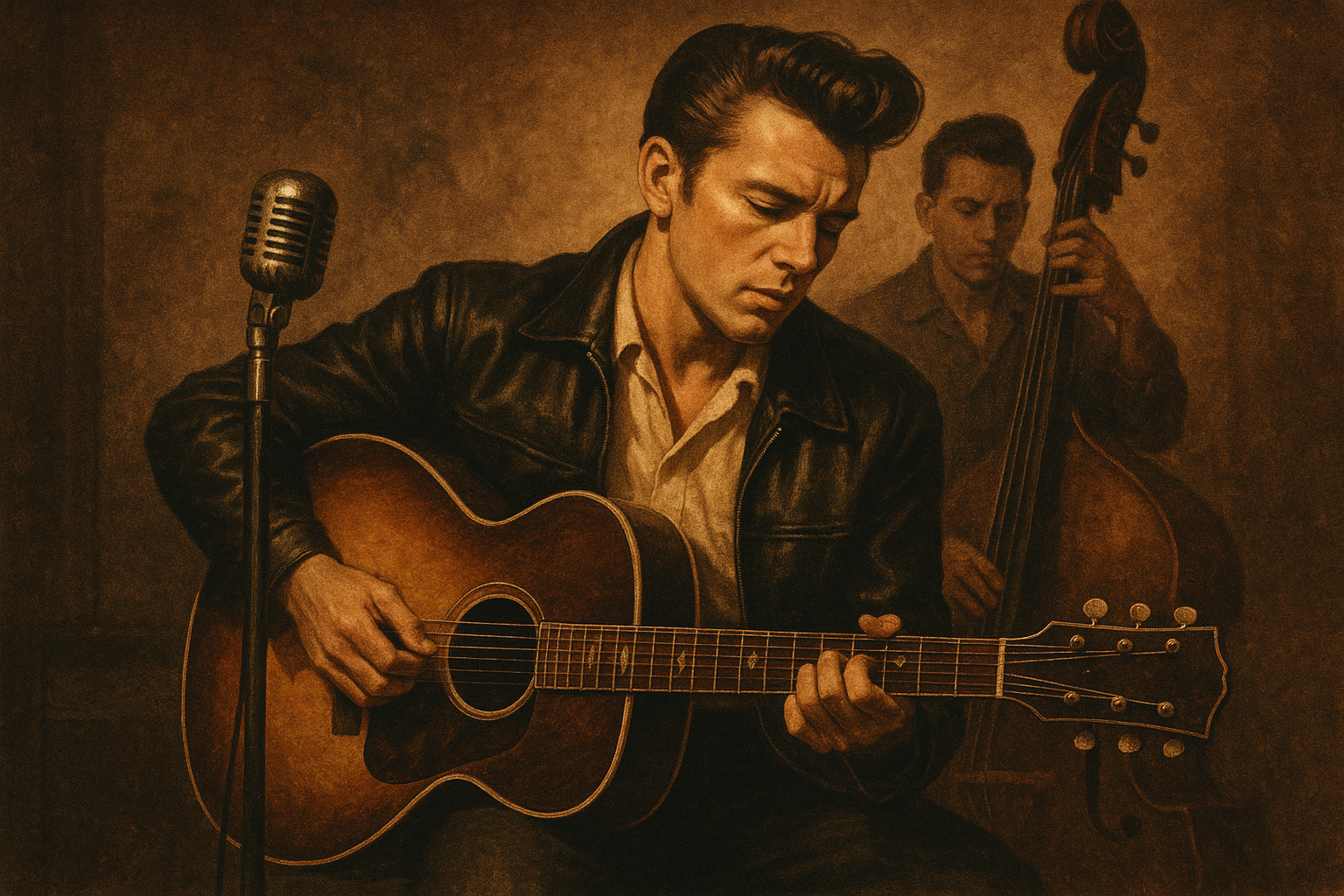
In this style, concise phrasing often works better than dense note counts. Focus on rhythmic confidence, articulation, and repeatable motifs.
Key habits include controlled picking, palm muting where needed, dynamic accents, and silence used as rhythm.
Upright Bass and Drums
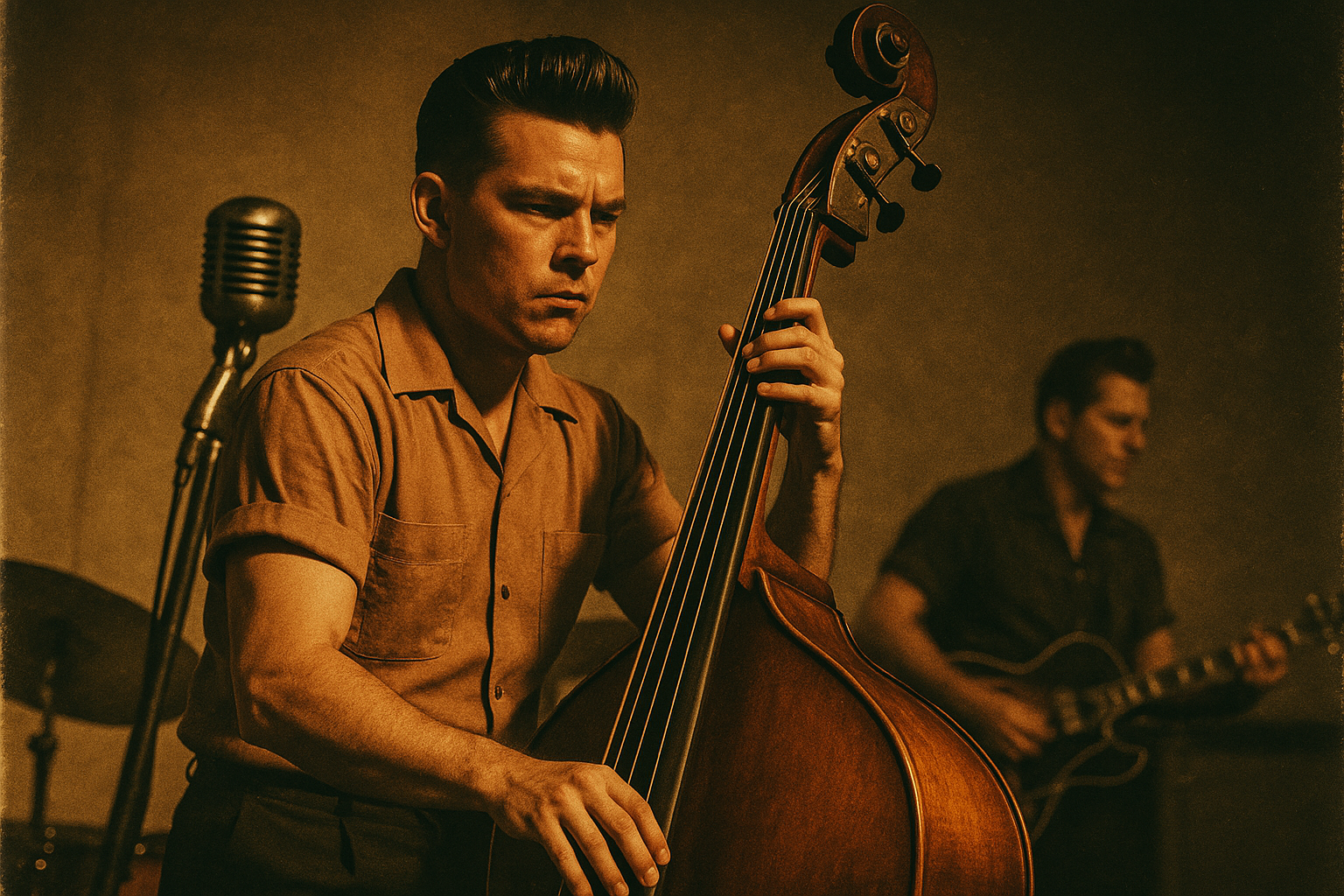
Upright bass can provide both pitch and percussive attack through slap technique. Drums generally work best when they reinforce dance pulse rather than competing for arrangement space.
Treat this as groove architecture first.
Vocal Delivery
Vocal delivery in this repertoire usually depends more on timing, diction, and character than on wide-range ornamentation.
Common Modern Mistakes
Common modern mistakes include heavy distortion, over-compression, excessive layering, rigid editing, and roomless mixes.
Fast Production Rule
If a mix appears dense but feels weak in motion, reduce layers and rebalance around rhythm clarity.
Rockabilly arrangements often improve when they preserve a believable “band in a room” feel.