
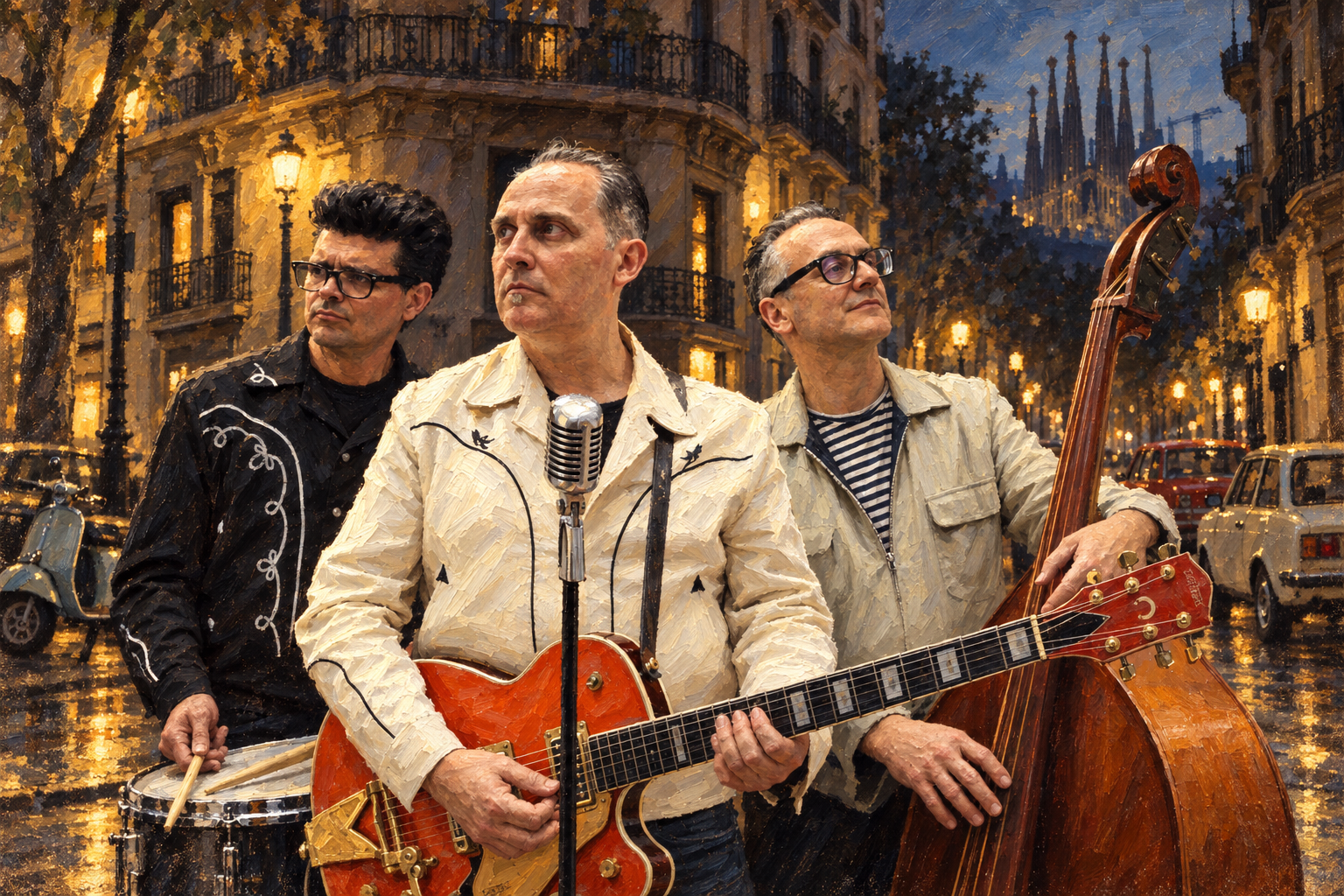
Brioles: Forty Years of Rock'n'Roll Between Genre Labels
Brioles came out of mid-eighties Barcelona, reached the European circuit early, and has kept an identity of its own for forty years between rock'n'roll, rockabilly and psychobilly.
Rockabilly, jump blues, hillbilly, classic rock'n'roll and scene culture.
Brioles came out of mid-eighties Barcelona, reached the European circuit early, and has kept an identity of its own for forty years between rock'n'roll, rockabilly and psychobilly.
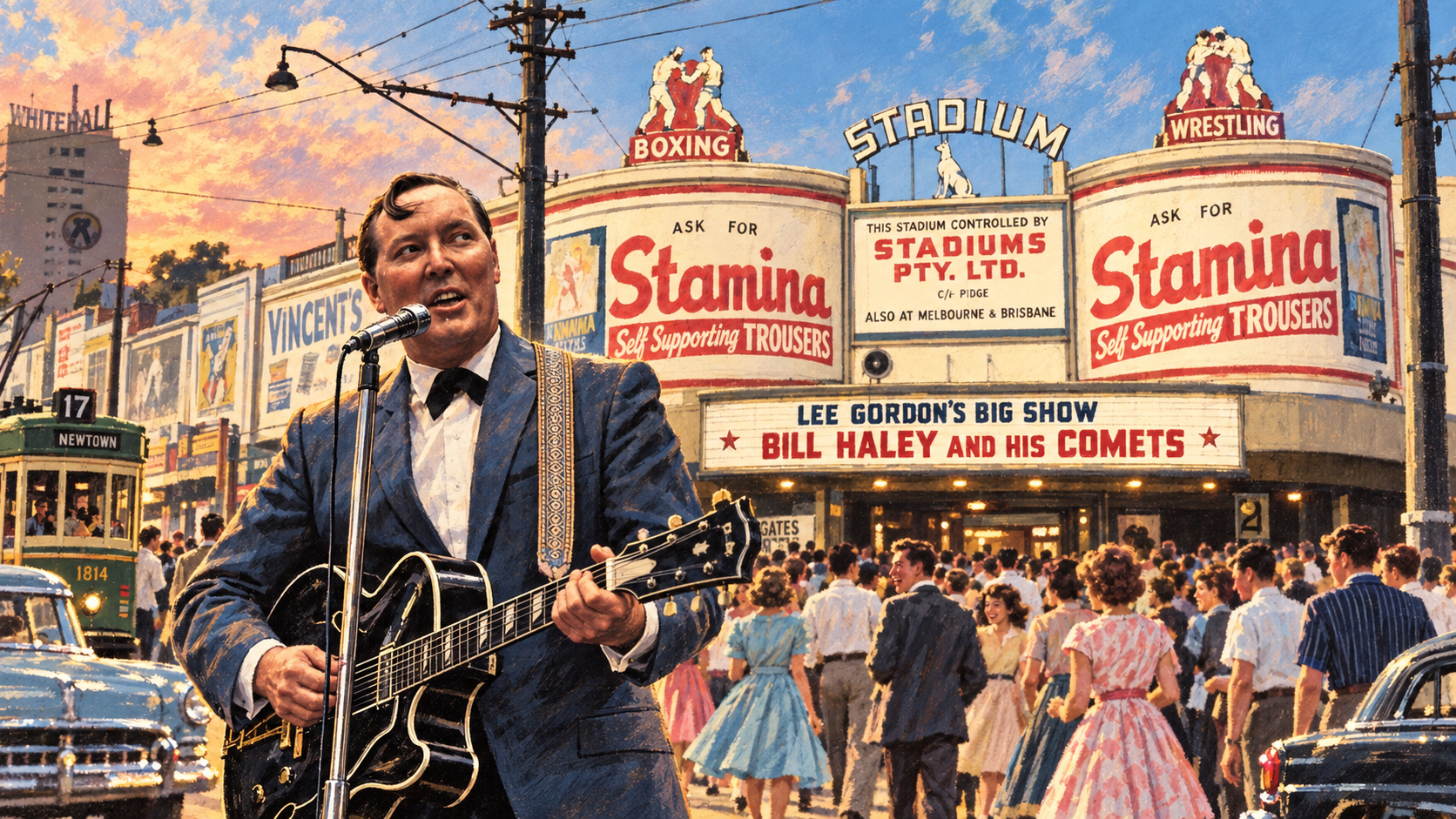
In January 1957 Bill Haley headlined Lee Gordon's BIG SHOW in Australia, a company of twenty-two American performers. Eleven days after the last Sydney date he opened in London, in a Britain that had only recently begun letting American bands back in.

In January 1960 Duane Eddy toured Australia in Lee Gordon's All-American Rock Spectacular, billed below Crash Craddock. Eight weeks later he was second to Bobby Darin in British theatres, on a circuit whose halls Eddie Cochran and Gene Vincent were working the same season.
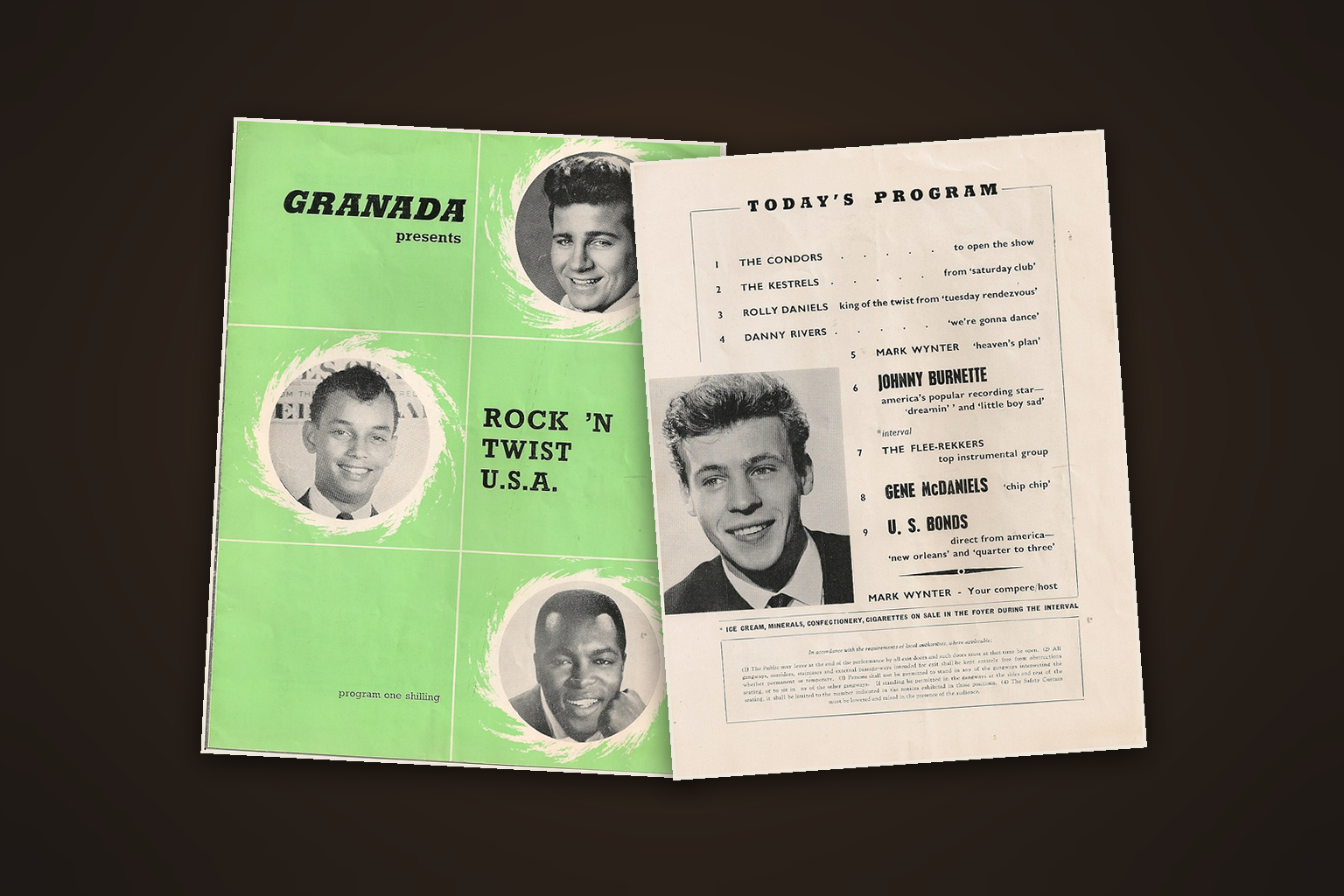
The Rock and Roll Trio's Coral records never reached the British chart. Six years later Johnny Burnette worked twenty-three consecutive nights across Britain, with four UK chart entries behind him and a fifth arriving ten days after the tour closed.

Irving Feld's Super Attractions moved a rock'n'roll company across the continent on an eighty-day schedule. Eddie Cochran joined it on 15 October 1957, during its sixth week on the road, and the trade press had printed his name weeks before he stepped on.
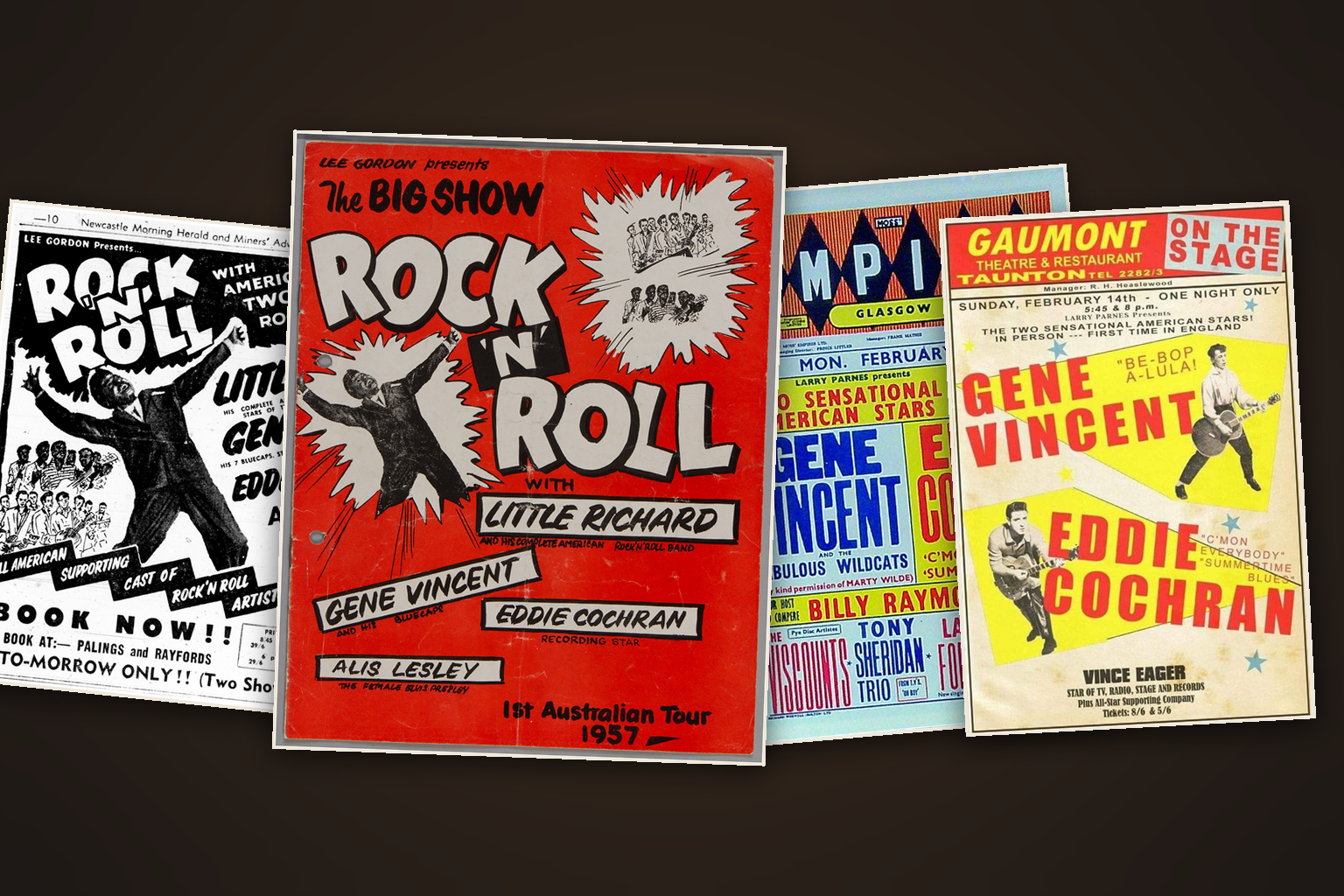
Two and a half years of stardom, three continents and one car on the A4. Eddie Cochran's touring life read through the paper that survives it: programmes, newspaper advertisements and the running order of the show he was playing when it ended.
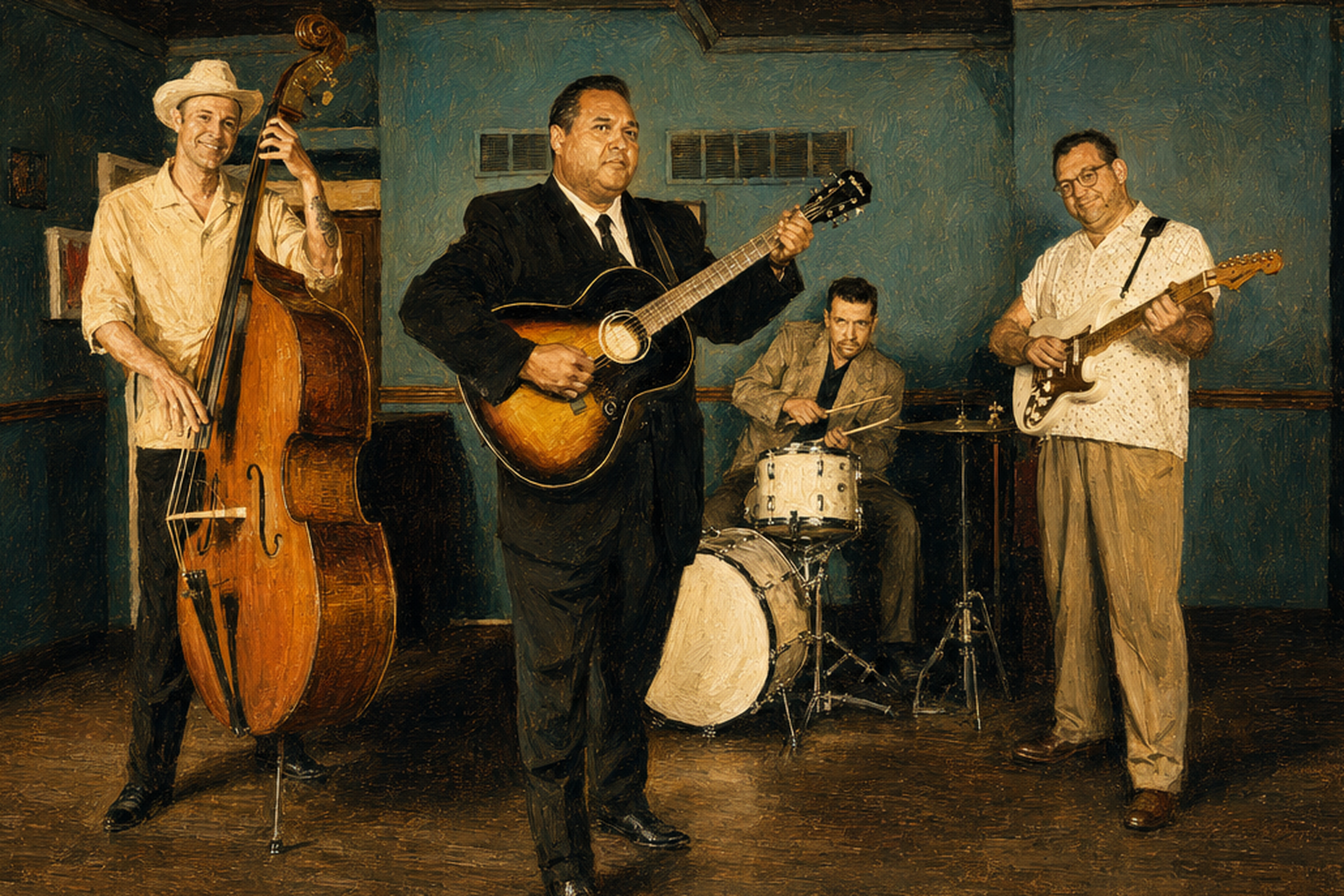
A band from Anaheim that has treated pre-rock American music as a trade to be practised rather than a period to be revived, from a 1988 trio to a working catalogue thirty-eight years long.

Teenagers from Newport who started a band to play rock'n'roll while the dance halls belonged to the beat groups. Their own label, their own songbook, and fifty years on the road.

Discogs states that its Marketplace grades are the Goldmine Standard, and publishes the scale it uses. EX is not one of the grades on it.
Seventeen examples from Billboard and Cash Box between 1947 and 1956, ordered by publication date and limited to what those pages actually document.
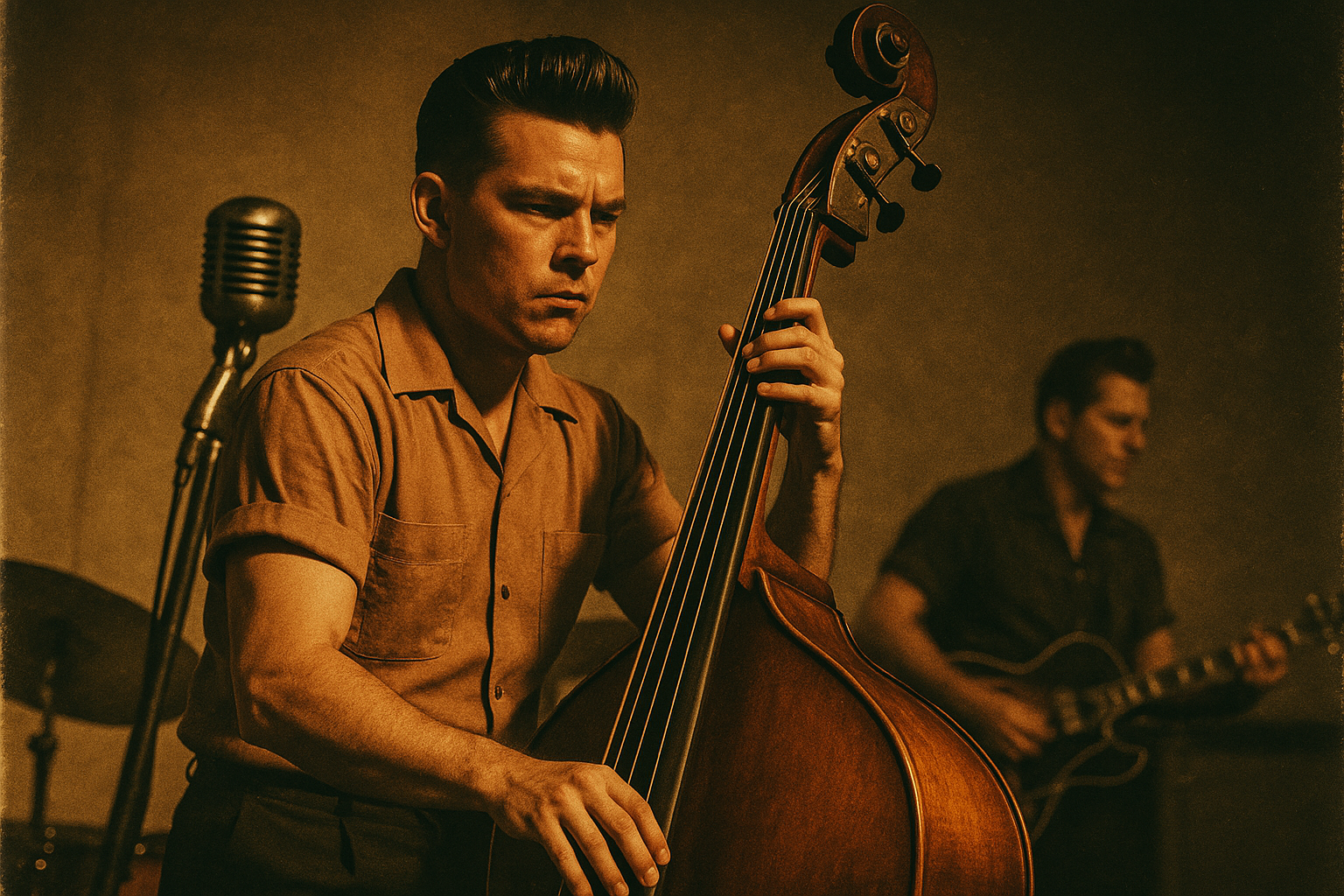
What three bass players did, when it can be dated, and what the musicians who played beside them said it was for — including what cannot be dated, and the technique one of them named but did not describe.
Sam Phillips got his echo from tape. RCA got a different one from a tiled hallway, for Heartbreak Hotel, with the same guitarist in the room. Cosimo Matassa in New Orleans was solving other problems entirely.

On 20 June 1953 Billboard put a talent search on its front page: two records by women had sold, and the A&R men went looking for more. The continuation page names about twenty of them, label by label.

Billboard kept pop, R&B and country as separate charts through 1956. Its own pages show records, songs and performers appearing across more than one of them — and in November 1955 RCA Victor announced it would work Elvis Presley in all three fields at once.

In 1948 a Billboard chart headed Folk Records defined its contents as hillbilly records. On 25 June 1949 the rubric changed to country and Western while folk stayed in the heading — and stayed in the paper's columns and in record advertising for years after.

The records now grouped as jump blues were filed by Billboard as race records, and from 25 June 1949 as rhythm and blues. Ten editions of the trade press between 1946 and 1954 show the categories, the vocabulary and one connection that can be followed from one record to another.

In August 1954 Billboard reviewed Elvis Presley's first Sun single in its country section and described it as good for the country and the r&b markets. By June 1956 the same paper was calling records like it rockabilly. The trade press of those two years documents the change.
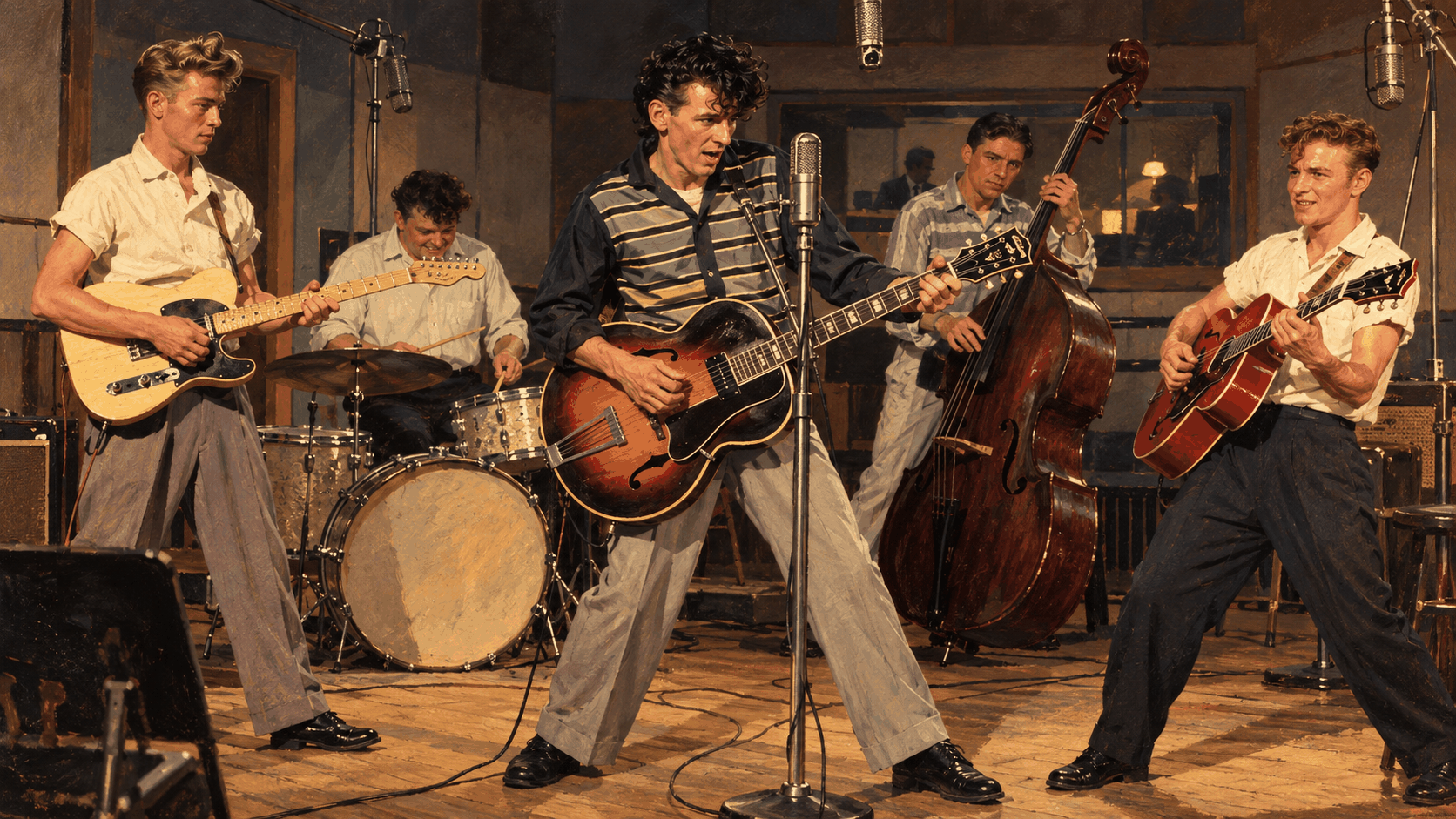
50 years ago, one of the great rock and roll classics was recorded.
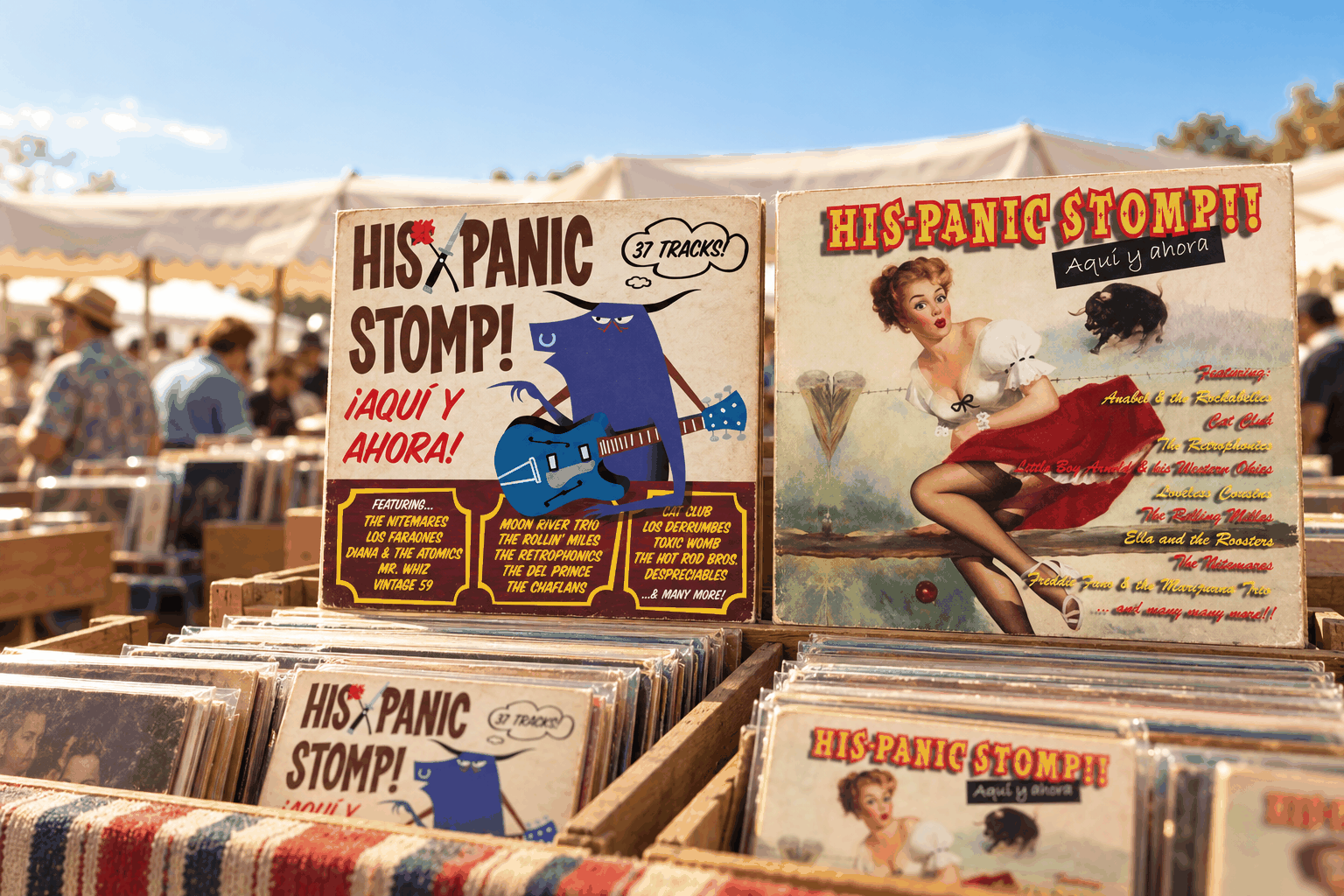
For some months a project has been taking shape on the rockabilly forum at www.rockabillyrules.com, with 37 bands from the quiffed scene taking part. His-Panic Stomp is here, and there is a bit of everything: old-school bands, more current ones, soft bands, hard bands, new bands, established bands, glorious productions, demo-tape productions, live tracks and so on, all under the common denominator of the quiff, so that people get an idea of what is going on right now.
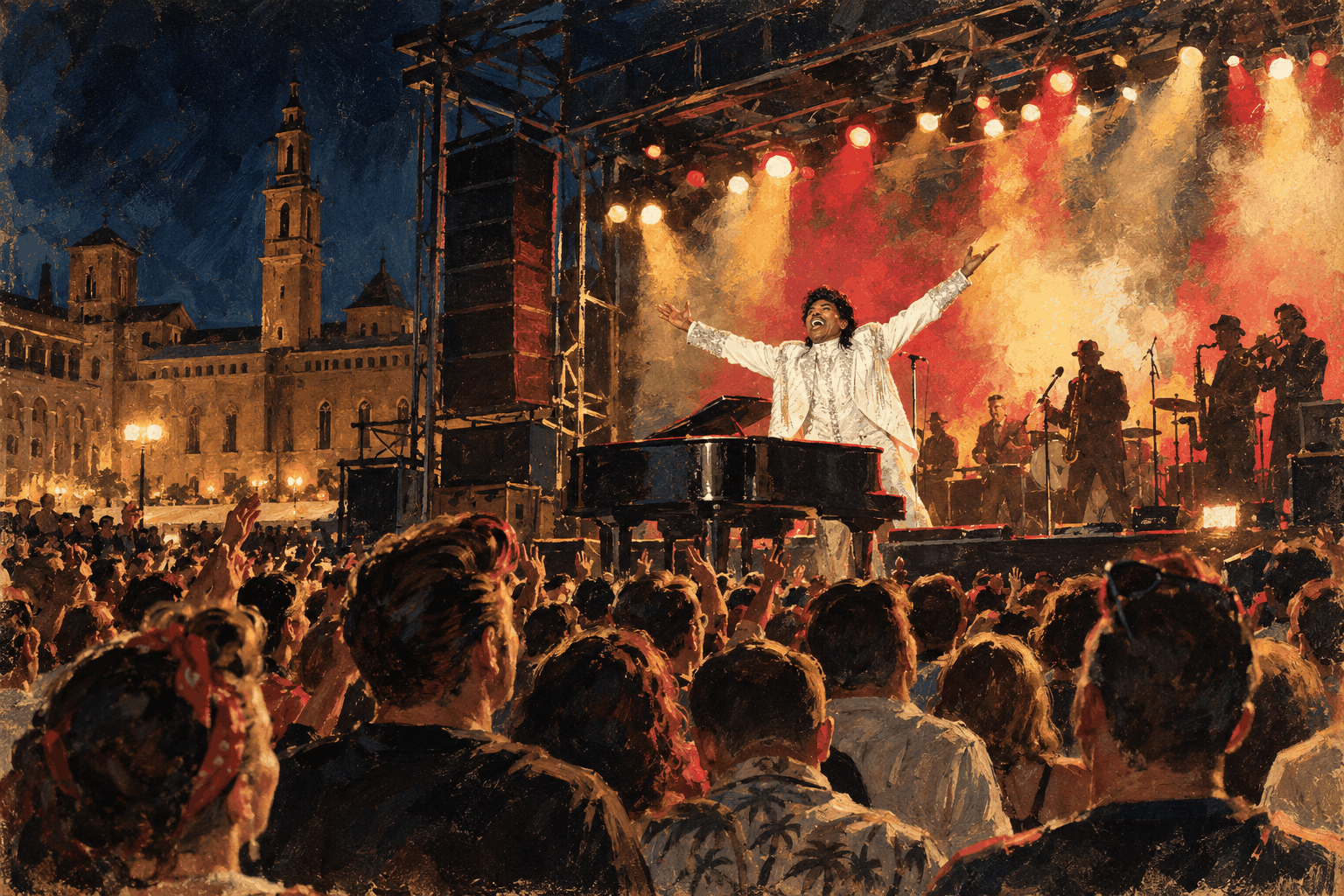
Third edition of the Crossroad Festival and the second I have been to, always drawn by a headliner more than worth the trip. If last year it was the Stray Cats, this time round it was Little Richard's turn. And Little Richard — let us not kid ourselves — in a demanding few months in which I have taken to seeing old legends of rock and roll and pop live (before him it was Chuck Berry and Brian Wilson respectively), I could hardly miss the appointment with this Georgian who revolutionised rock and roll in an era that was far too moralistic.
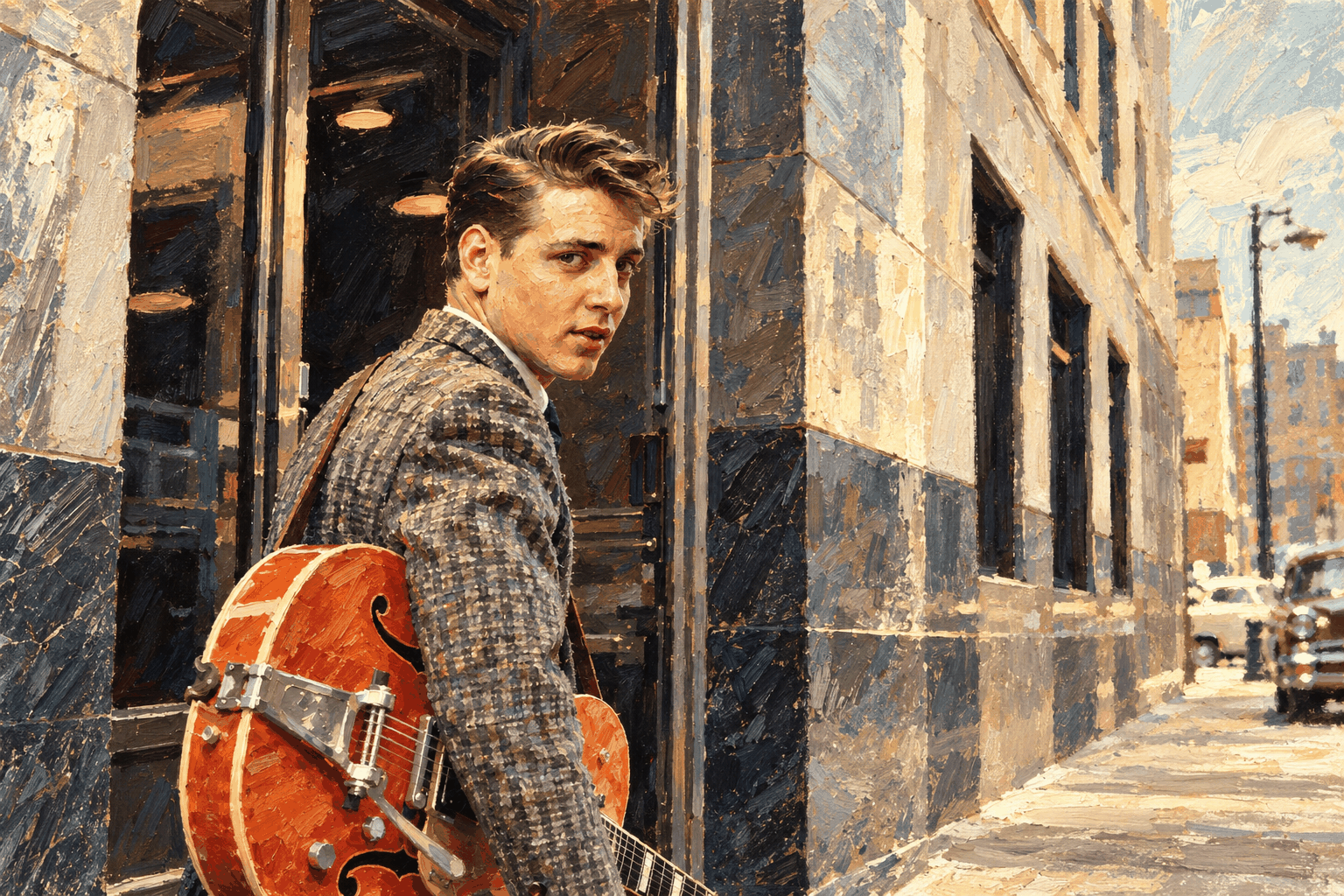
On 17 April 1960 Rock and Roll lost one of its greatest exponents, the great Eddie Cochran, who at 21 was one of the most prolific artists in the world. These lines sum up his career, picking out the most important events of his life as an artist.
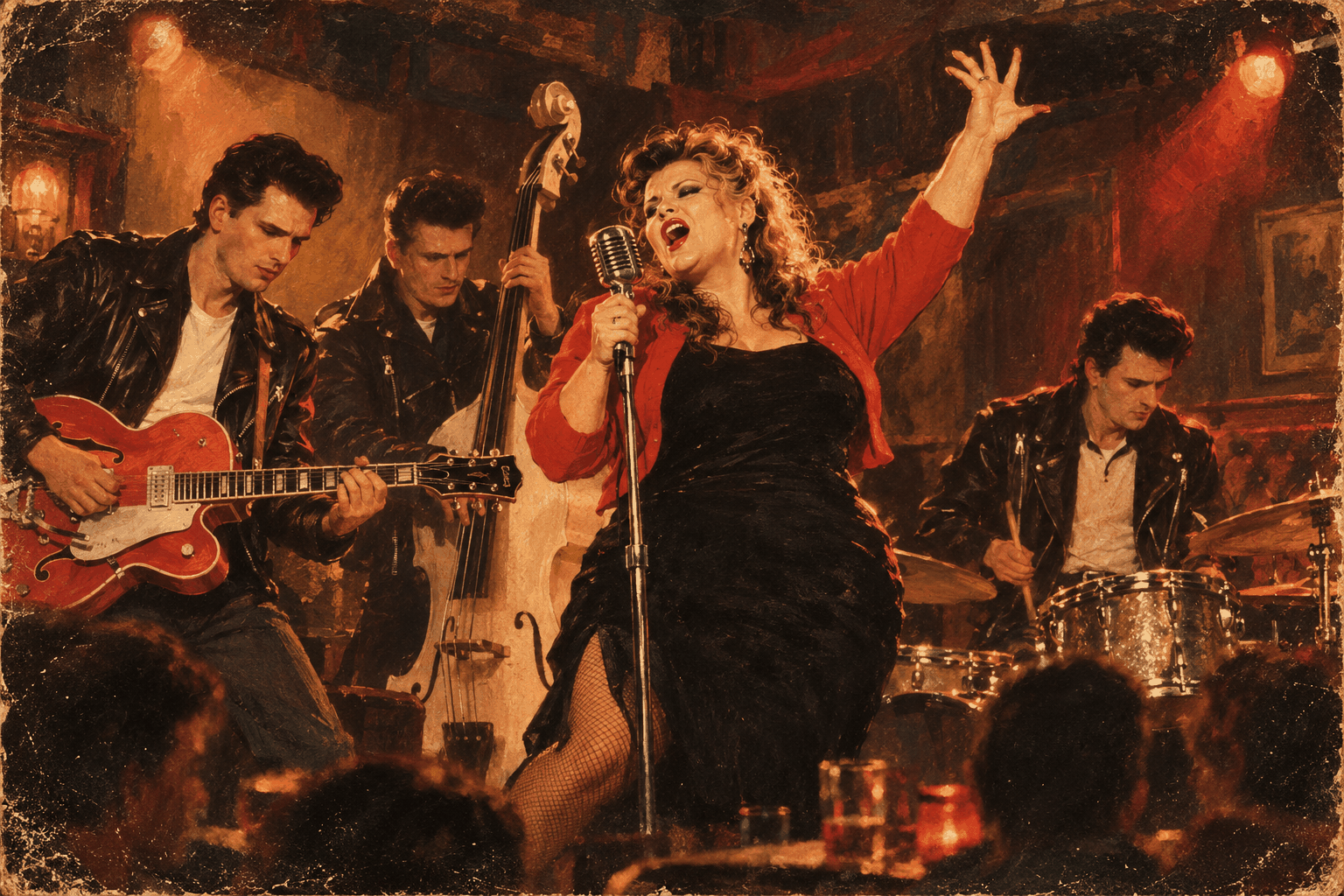
M.M.= Marilyn Monroe ; B.B.= Brigite Bardot. C.C.= Claudia who? Cardinale? No, not really... Claudia Colonna! We are talking about a brilliant rocker from France, unknown to the huge rocker population of this country.
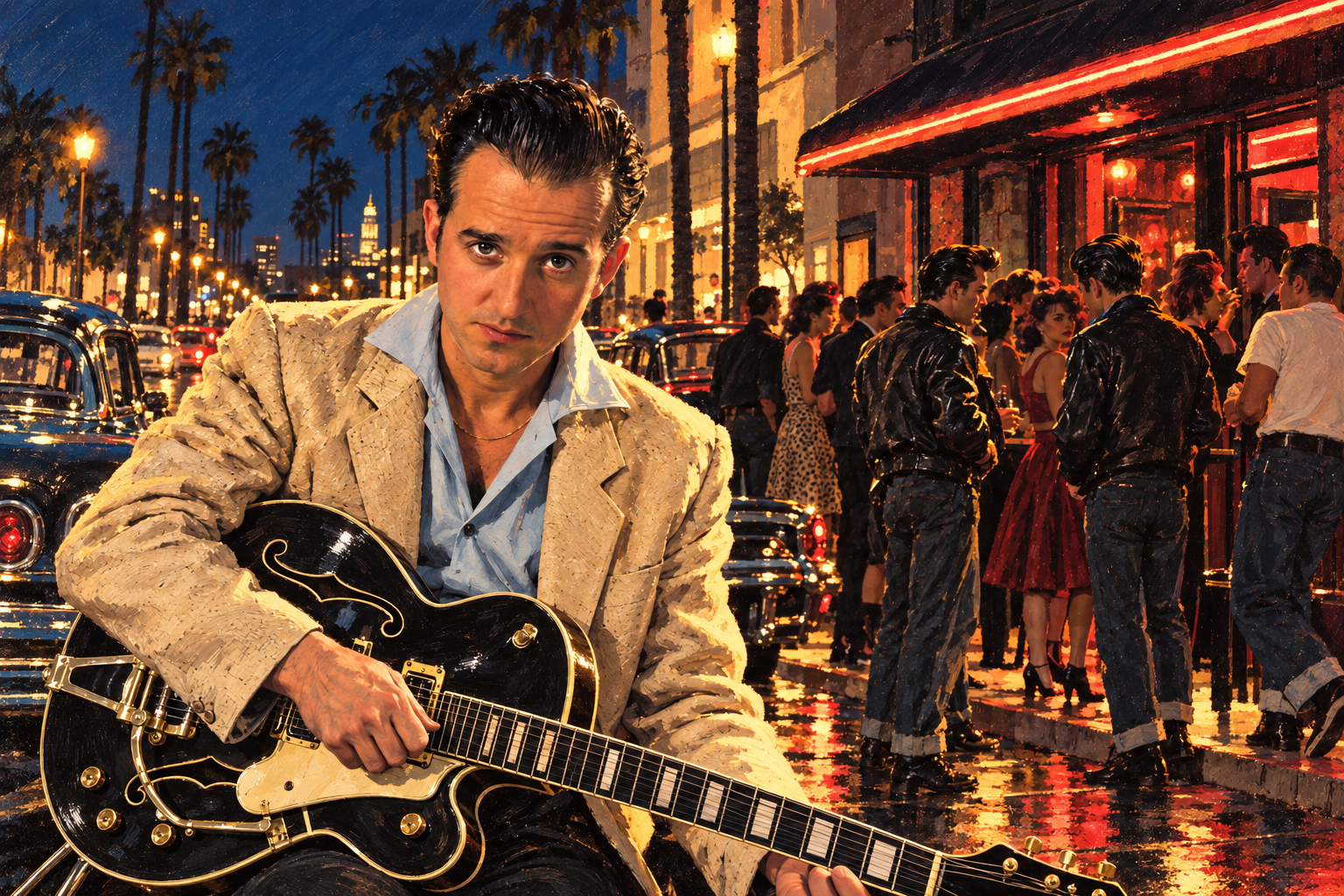
This interview was conducted and carried out by Alex Ruiz for RockabillyRules.com in mid-May 2004. Marcel is the main member of True Lover Trio, who have recently released their first record for the Spanish label ElToro Records.
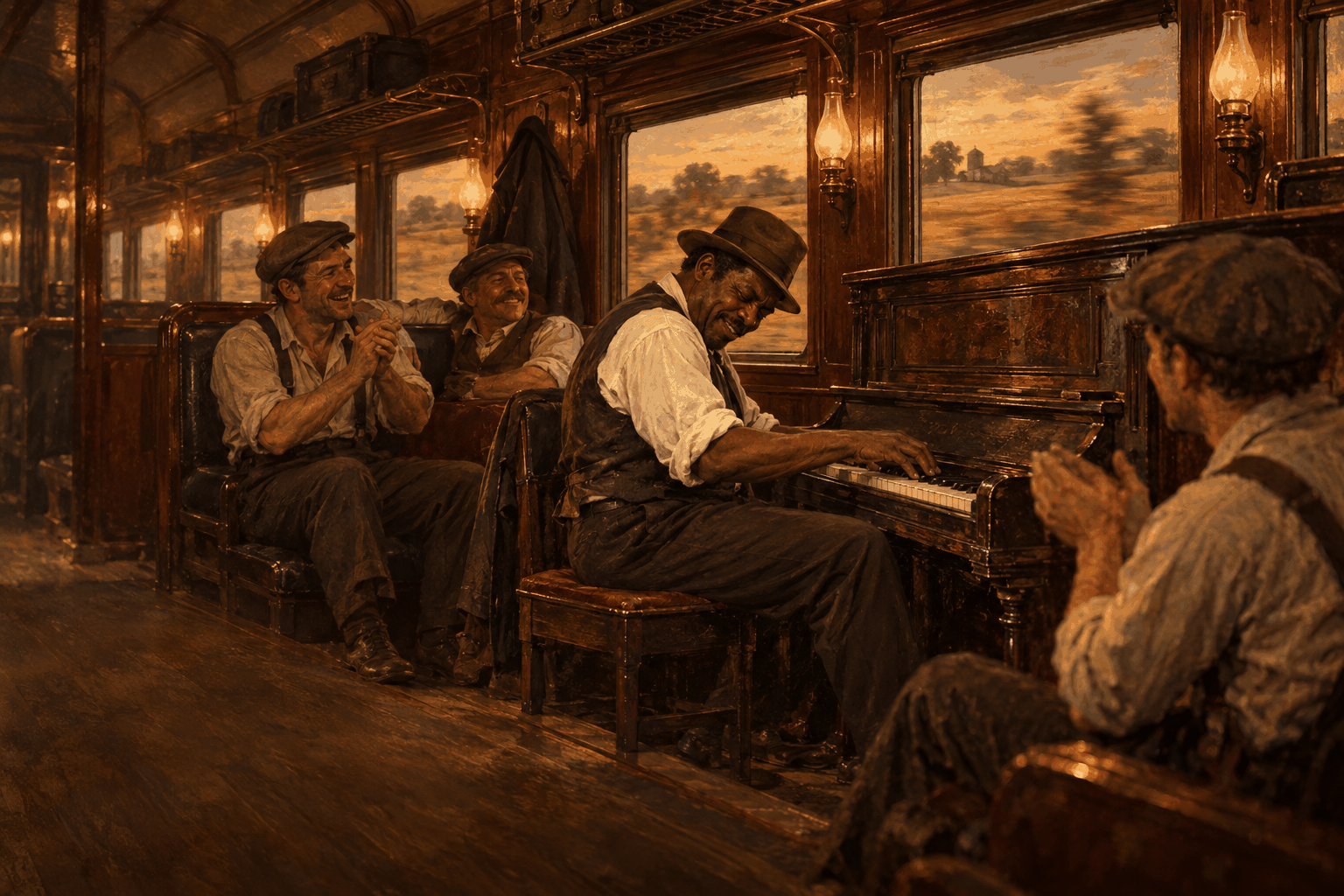
From RagTime and the Chicago rent parties to the Country Boogie of the post-war years: how boogie woogie came about, and why what decides it is the left hand.
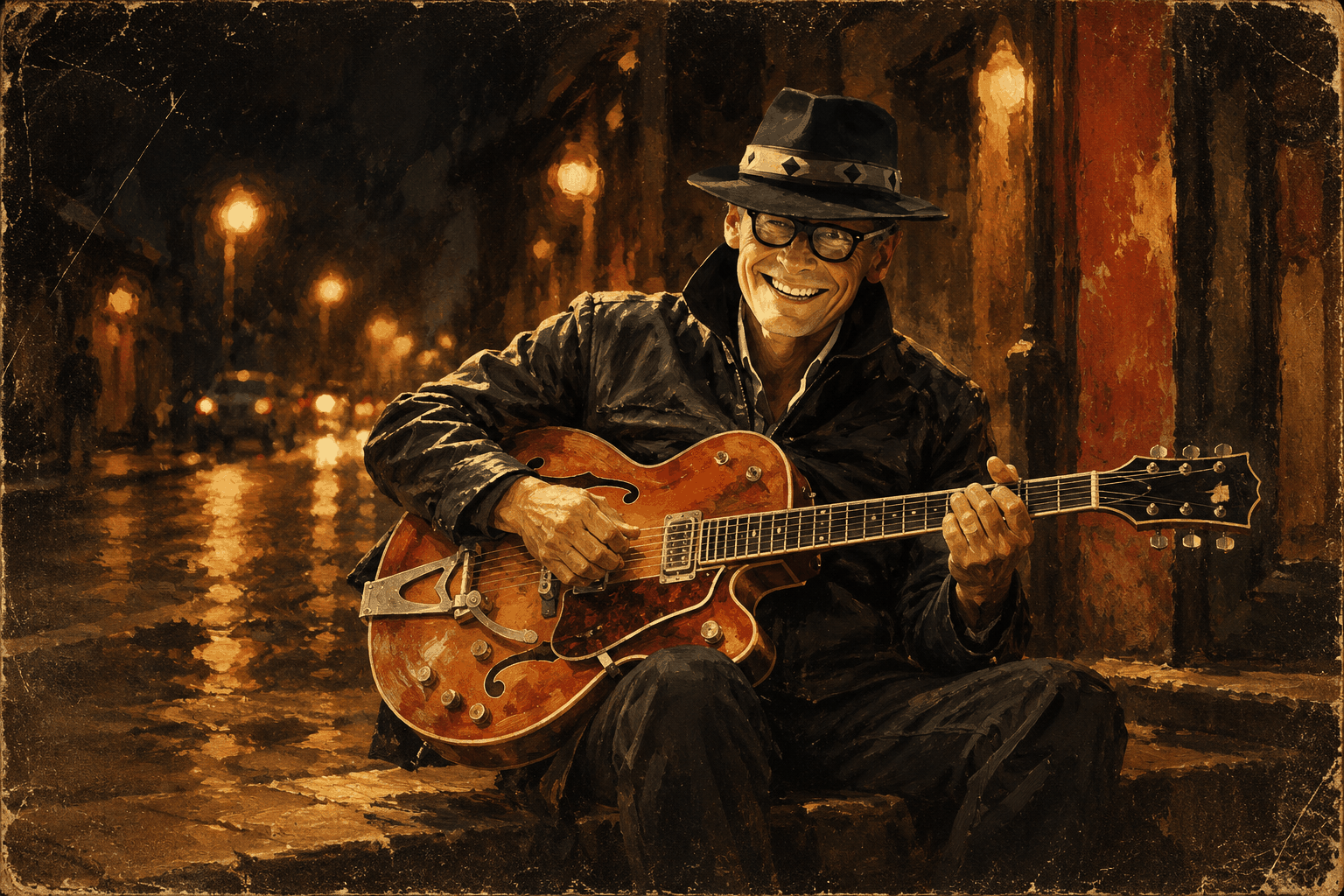
A Dutch guitarist who opens his own song admitting he is a rocker who will soon be an ex. A signed profile of Arthur Ebeling from 2004: the bands, the records, the Gretsch, and the Spanish stages he had started to make his own.
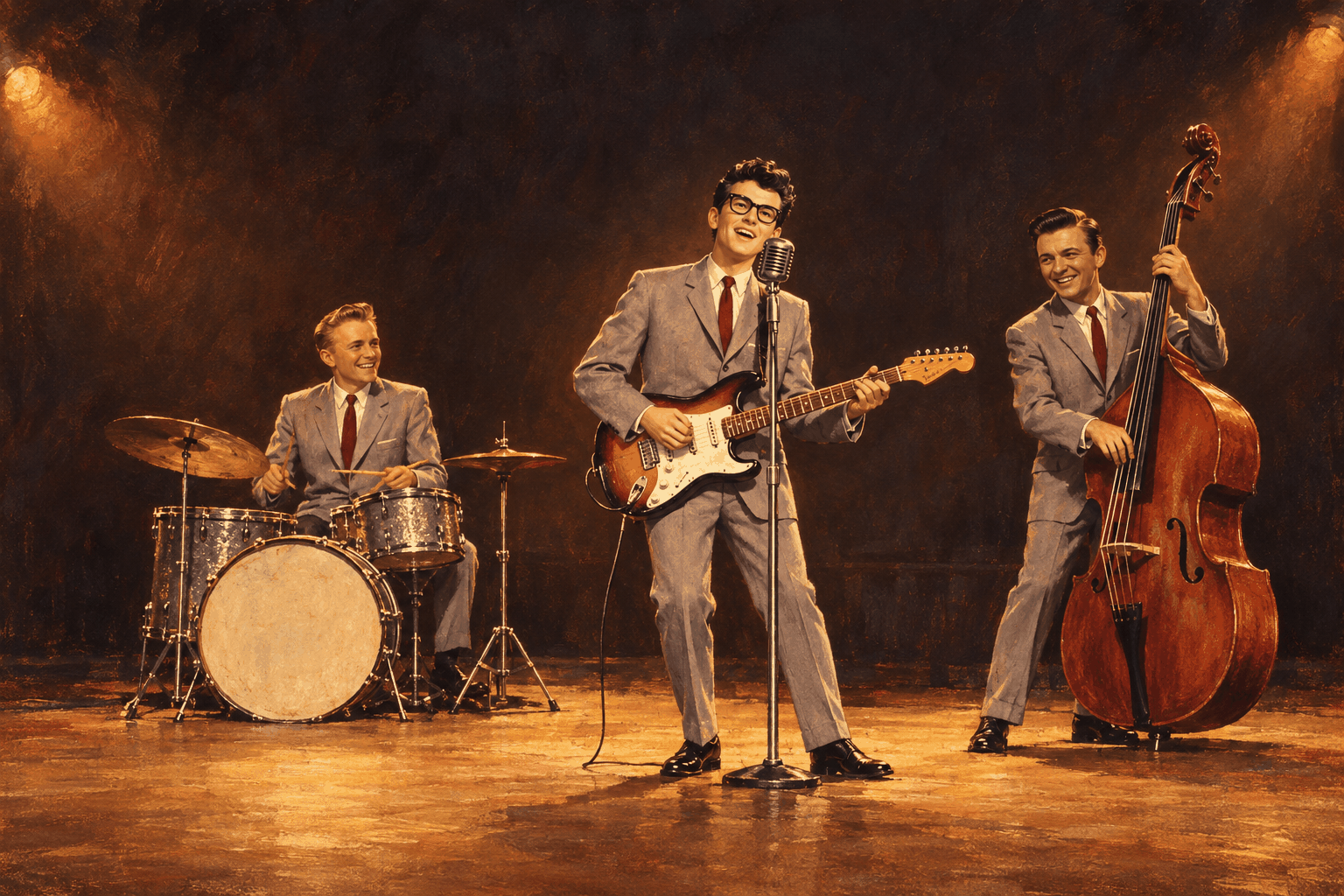
One of the icons of Rock and Roll, and one of the most influential figures in popular music of the last 50 years. Buddy Holly has been revered by stars of the stature of Paul McCartney, who owns the rights to his songs and who also holds Buddy Holly Week in England every year …
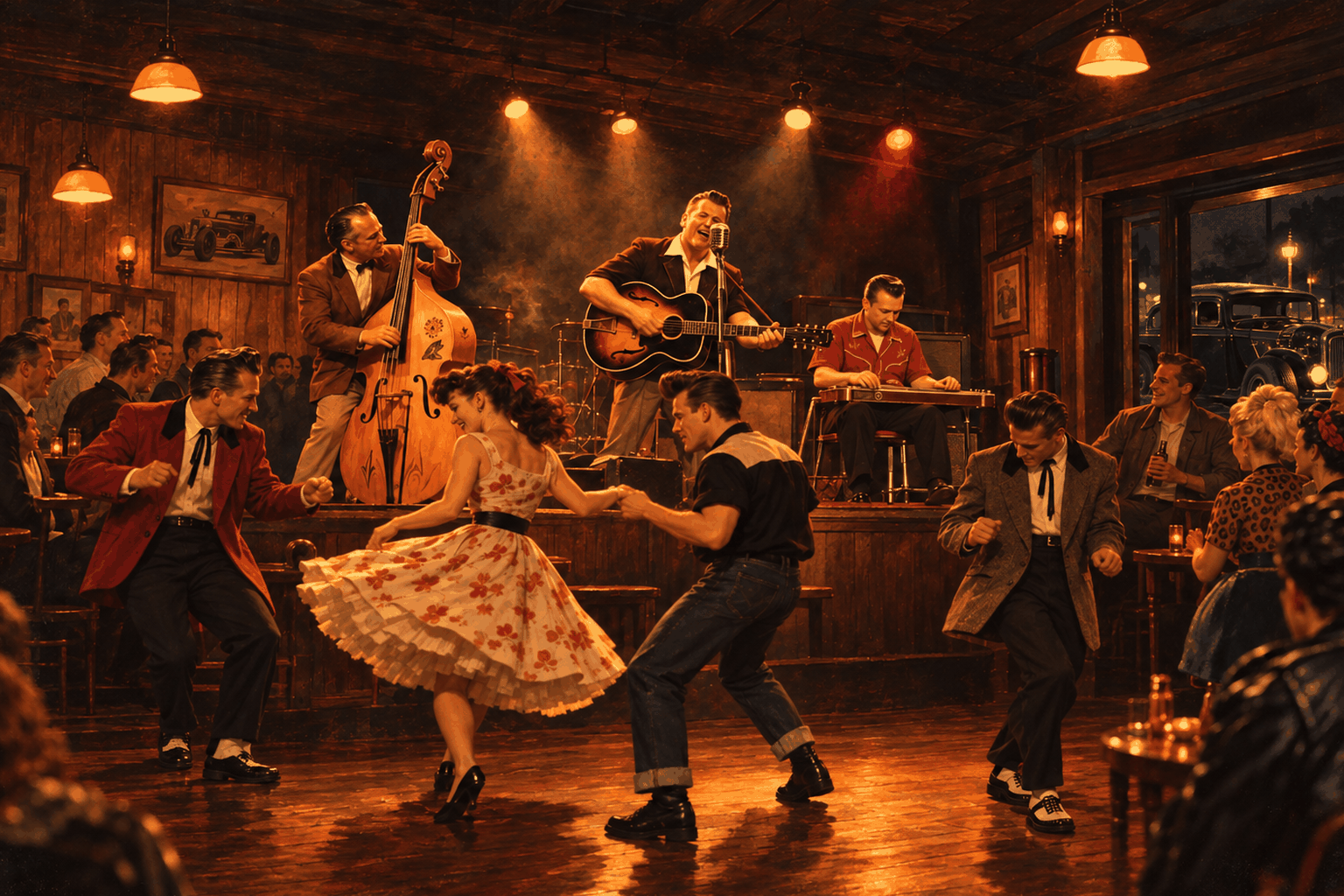
In Northern Europe there has always been an extremely high standard among the bands that have played rockabilly across Finland, Sweden, Denmark and Norway.
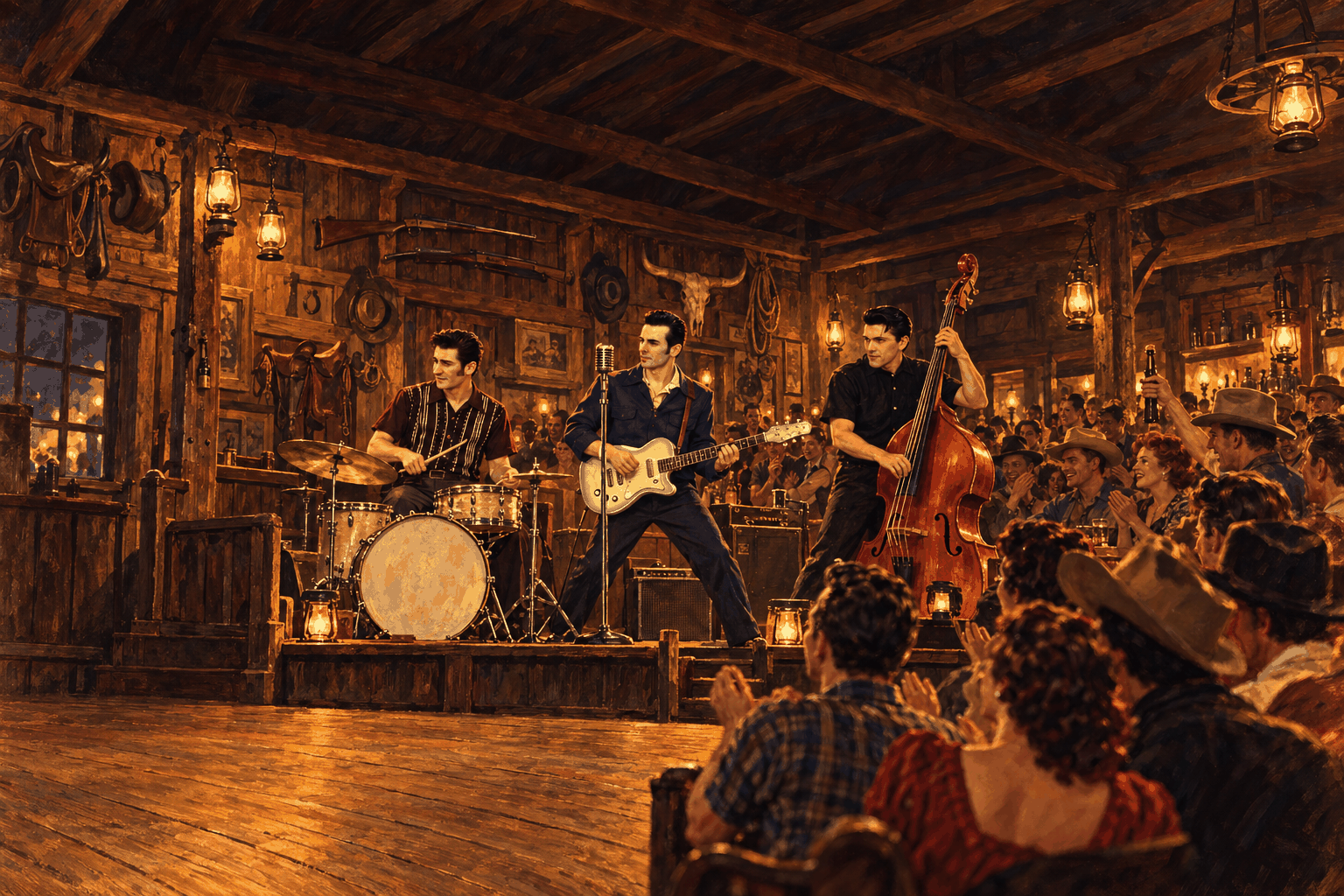
A Saturday night in a Vigo bar done up as a western saloon, rifles and saddles on the walls, and the Nu Niles unloading their artillery on a stage in the middle of the room. A first-hand account of the Galician scene, written a week later by one of the fourteen who had dinner with the band.
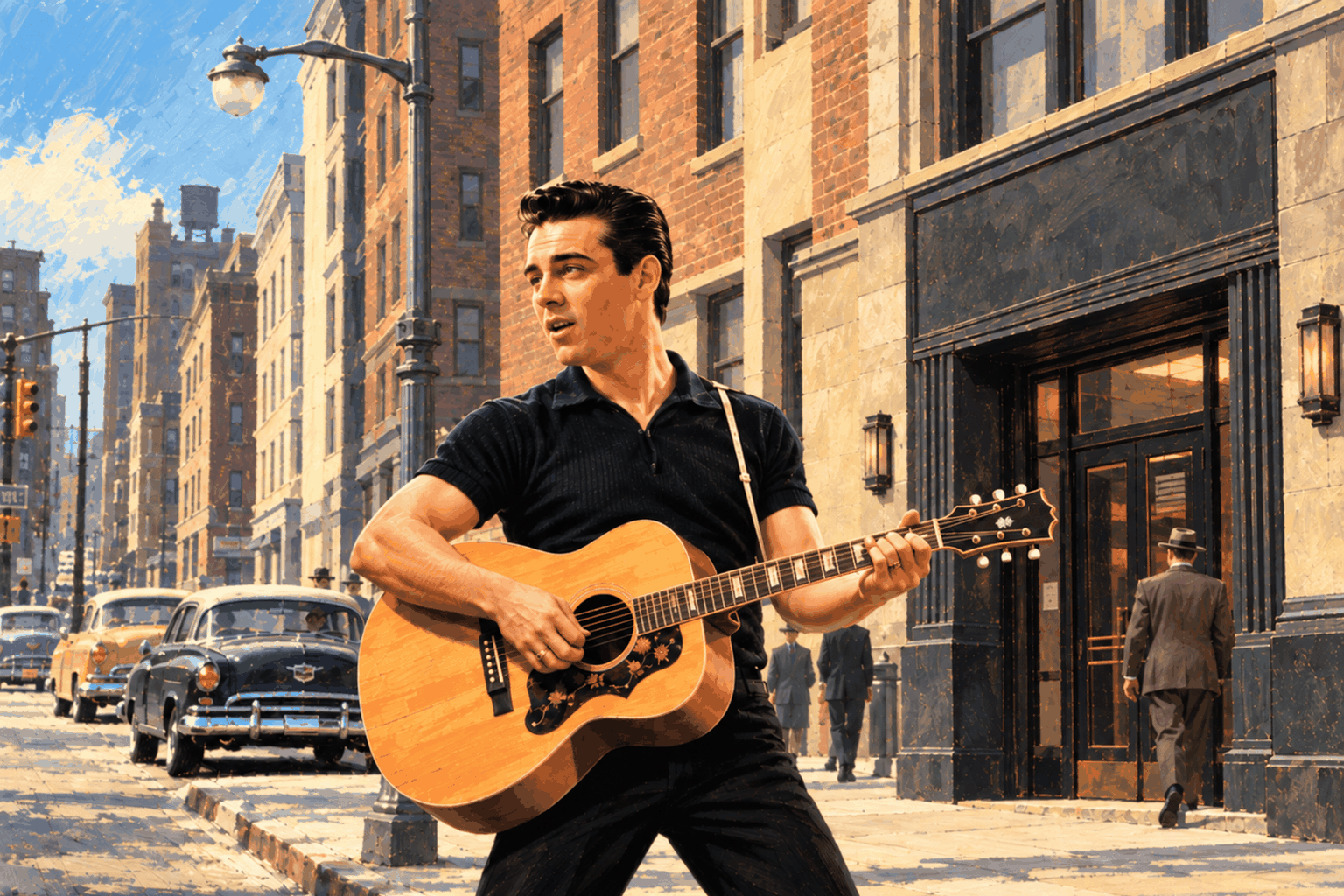
Giovanni Dominico (Jack) Scafone was born in 1936 in Windsor (Ontario, Canada) and in 1946 moved with his family to Detroit, Michigan. He took an interest in music very young and in 1957 got a contract with the ABC-Paramount label, where he released his first single "Baby, she's gone"/"You can bet your bottom dollar" (ABC-Paramount 45-9818). He was backed by the vocal group The Chantones.
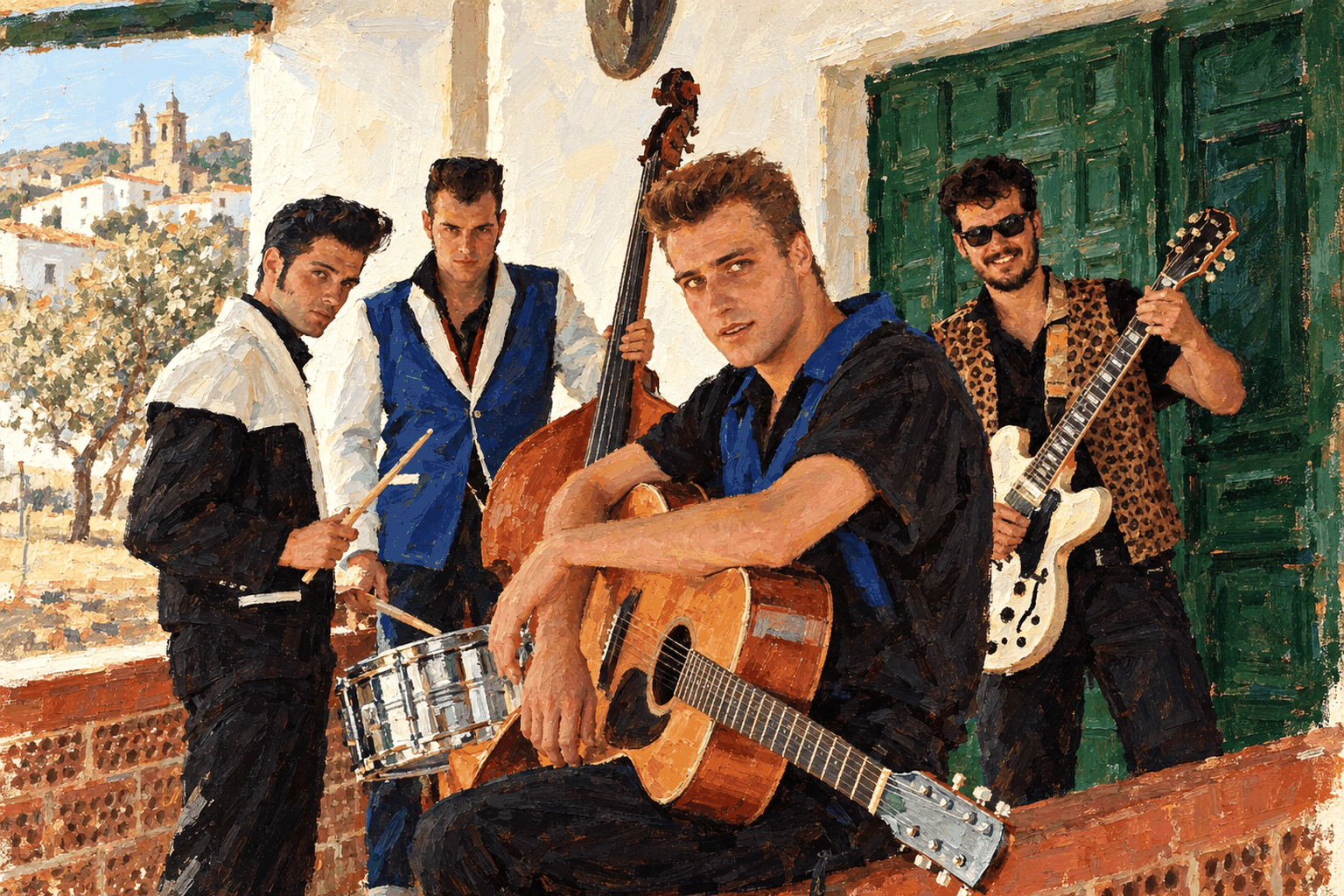
The story of "4 Gatos" is much like that of any other Rockabilly band in this country. Which is to say, nothing gets going until there is "feeling", and even then a lot of bands end up splitting, almost always for personal reasons.



Rockabilly, Psychobilly & Rock'n'Roll events worldwide. Help us grow — submit an event.
Event info provided by promoters. For updates, check official event channels.