How to Start a Rockabilly Vinyl Collection (Without Going Broke)
Building a rockabilly vinyl collection is a practical way to understand the repertoire in context.
You do not need rare first pressings at the beginning. A better early target is playable copies, clear curation criteria, and controlled spending.
Pick Your Angle First
Choose a lane before buying broadly: 1950s material, reliable reissues, 1970s/1980s revival records, modern releases, or a balanced mix.
A defined scope usually saves money and storage space.
Basic Setup You Actually Need
A practical starter setup is usually enough: reliable turntable, healthy cartridge/stylus, stable speakers, anti-static brush, and protective sleeves.
High-end gear is optional at this stage; basic playback stability and record safety are more important.
Where to Buy
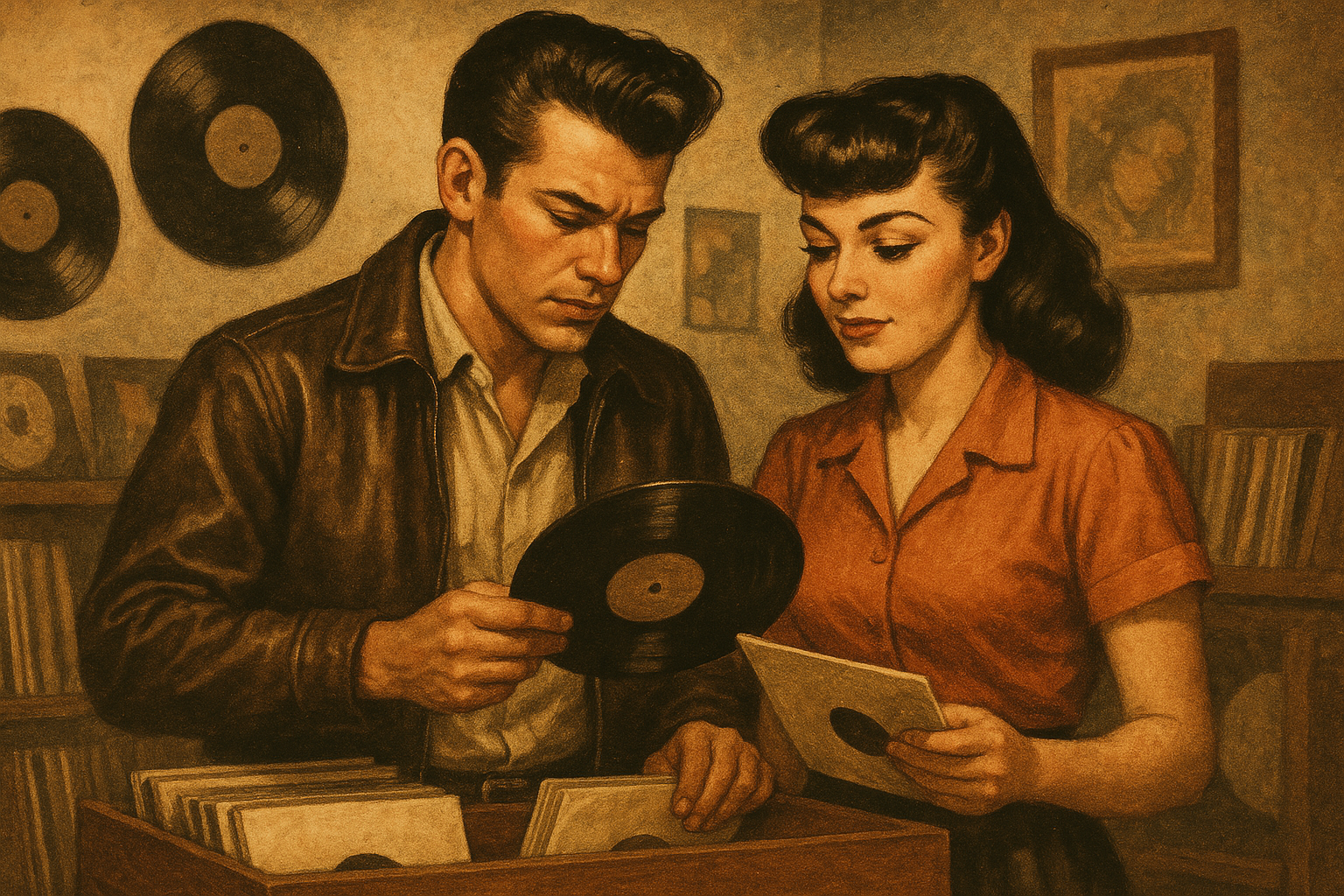
Record shops, fairs, festival stalls, and trusted online sellers can all work. Always verify condition details and seller reliability.
Learn Condition Grading
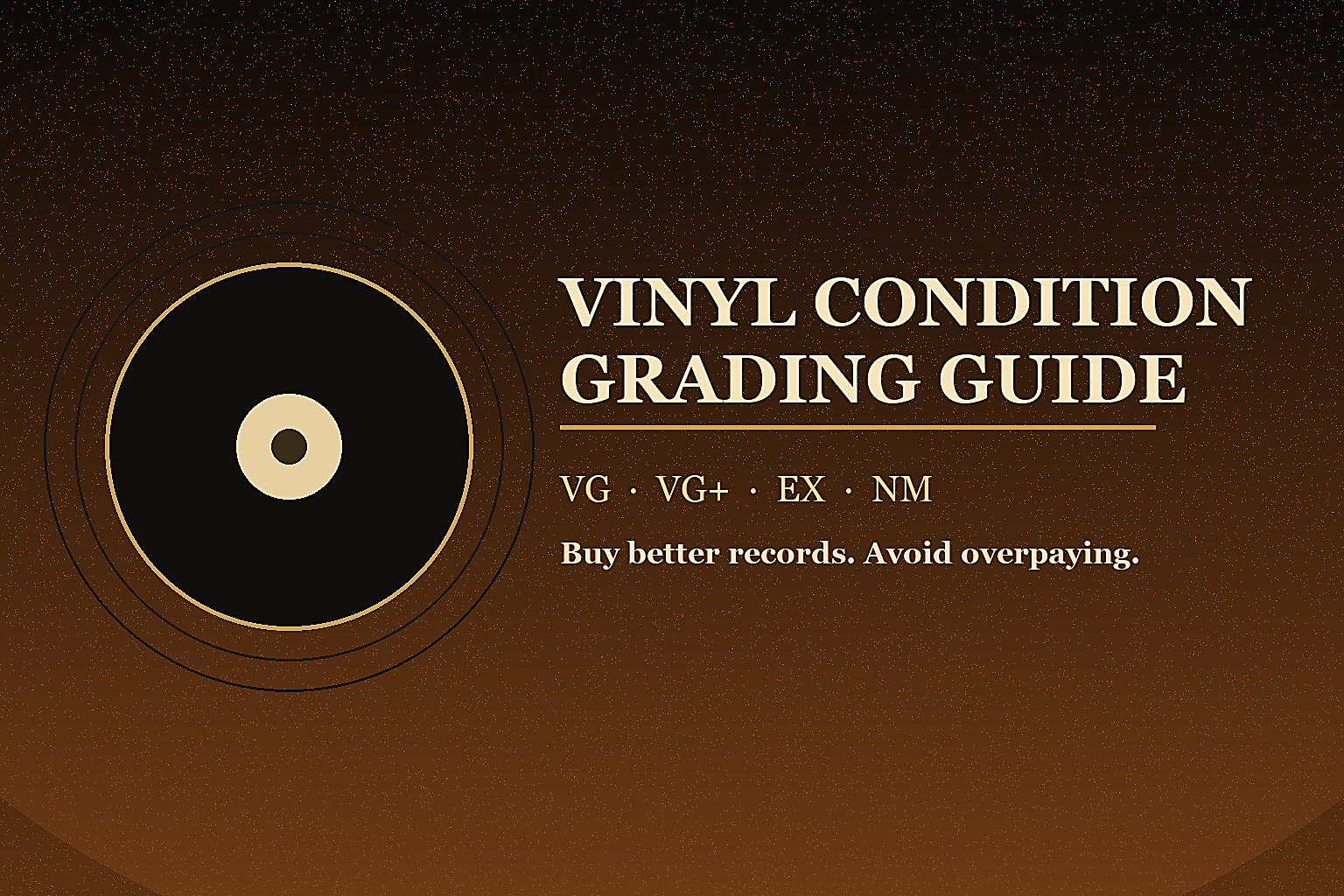
Know the core grading labels (VG, VG+, EX, NM). A rare but heavily worn copy can be less useful than a clean reissue for early listening and learning.
If you want the practical breakdown before your next buy, check Vinyl Condition Grading Explained: VG, VG+, EX, NM.
Common Rookie Mistakes
Frequent early mistakes include buying for rarity before listening value, ignoring shipping costs, weak storage habits, skipping cleaning, and impulse purchasing.
Smart Starter Strategy
Build an initial crate of around 20 core titles across rockabilly, jump blues, and early rock and roll. This usually gives enough context for informed next purchases.
Why Collecting Still Matters
Vinyl can slow listening in a useful way: deeper attention, credits review, and session comparison.
A reliable beginner rule is simple: collect less and listen more.