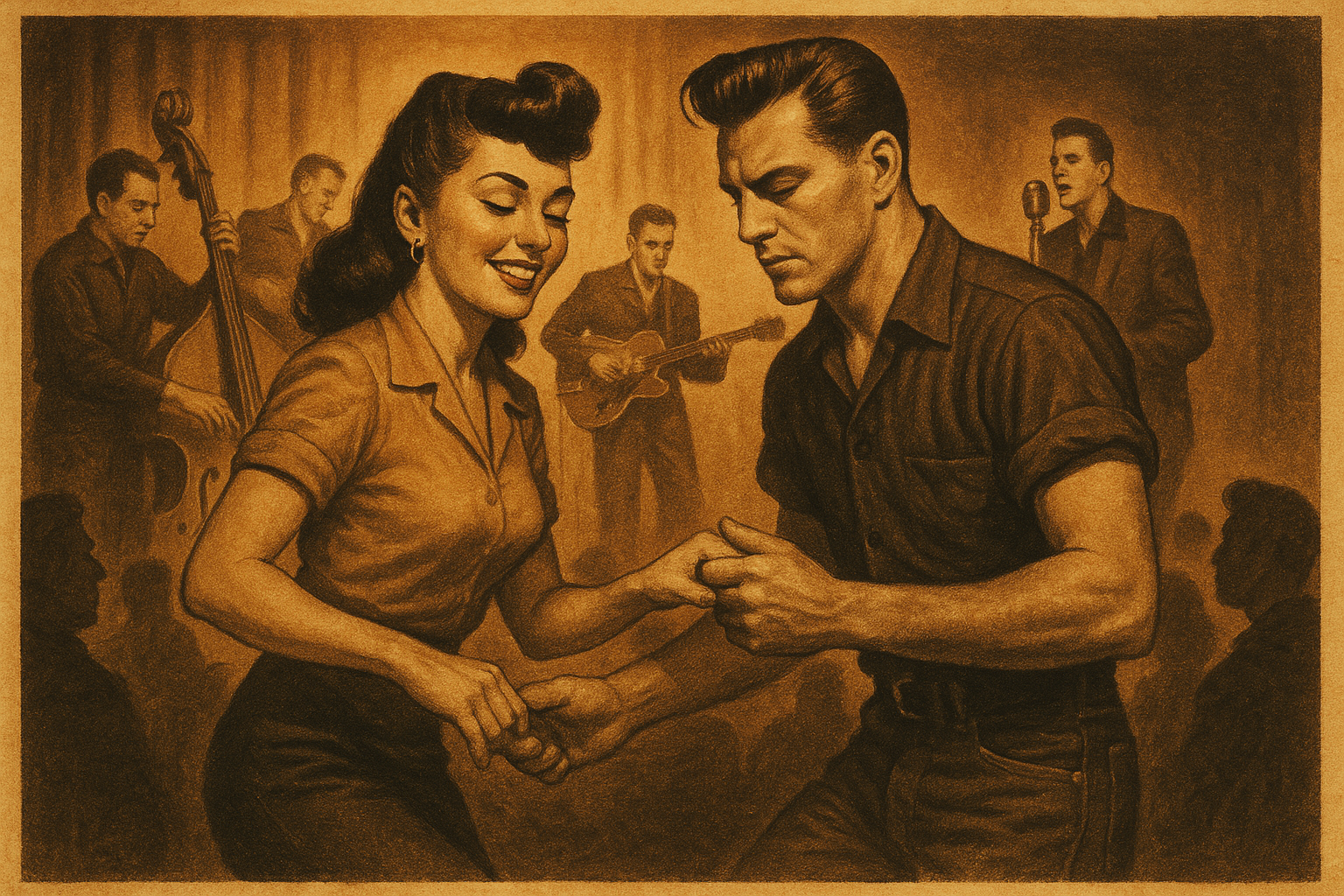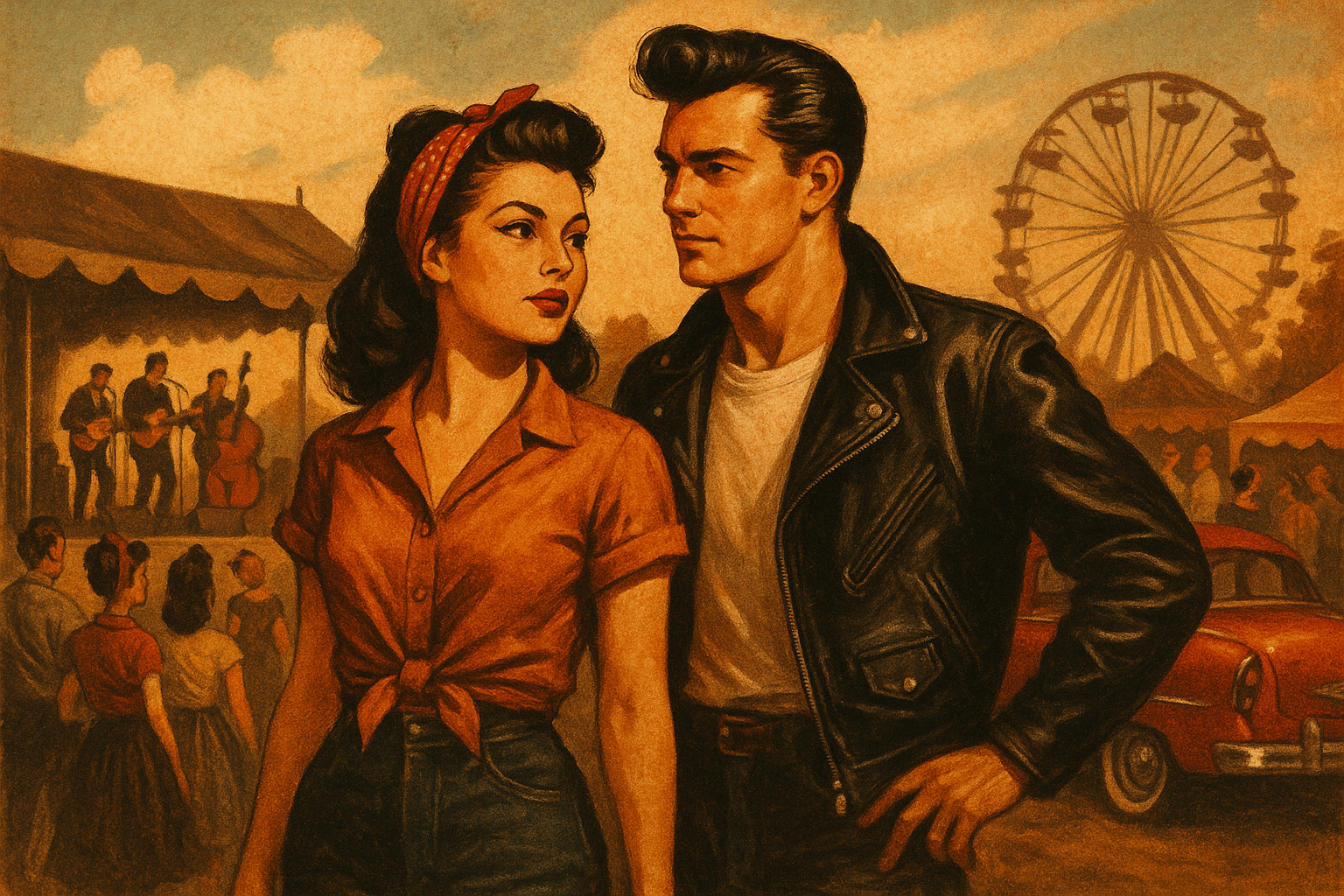
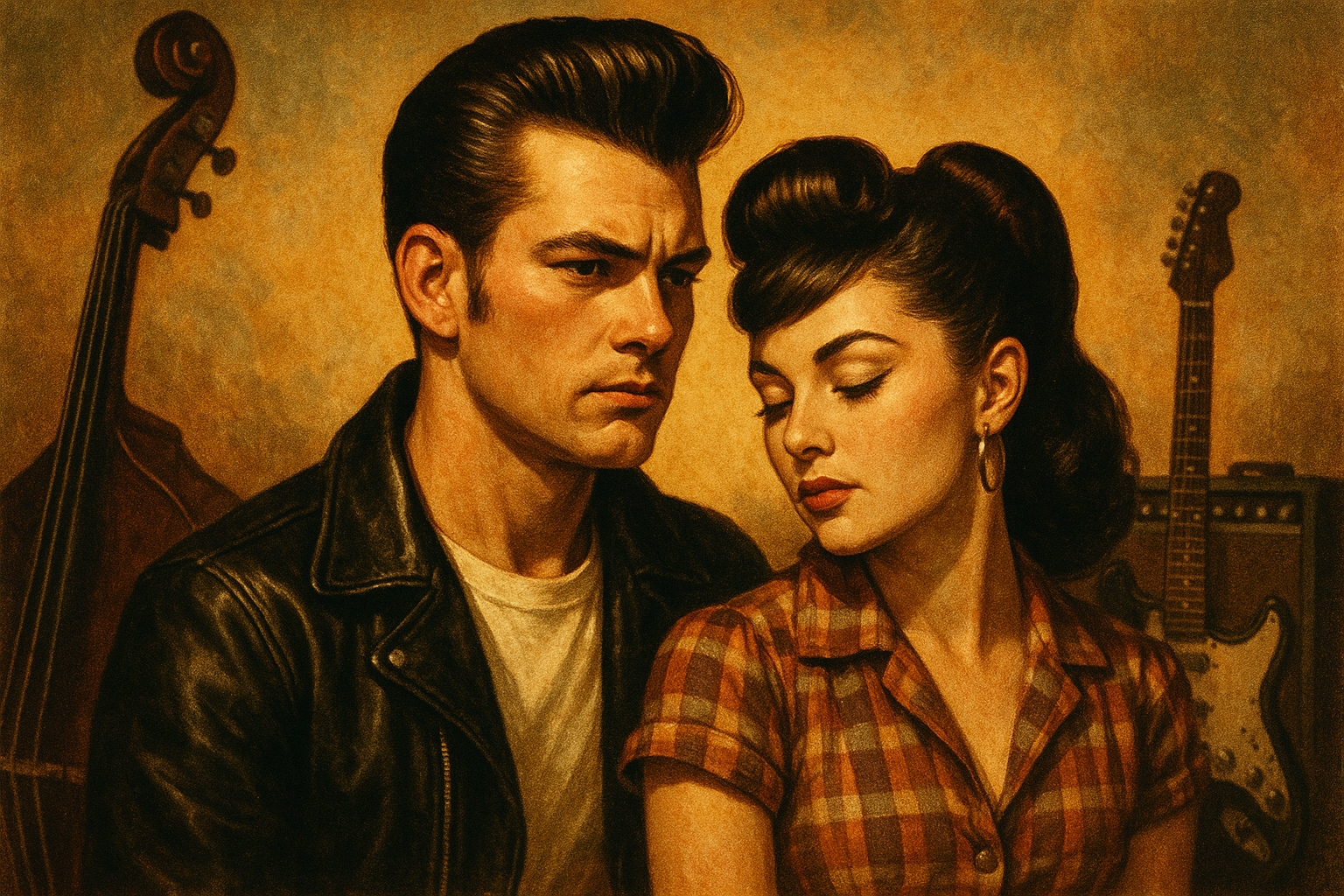
Rockabilly in the Digital Era: Threat or Opportunity?
Rockabilly has always survived through adaptation. In the mid-1950s, it spread through radio, jukeboxes, small labels, and regional dance halls. Decades later, it stayed alive through record collectors, independent promoters, and local scenes that refused to disappear.
In 2026, the same logic still applies: the tools changed, but the core test did not. A healthy rockin scene still depends on songs, musicianship, events, and community trust. The digital era can multiply all of that, but it can also dilute it when everything becomes image-first and context-free.
What Actually Changed Since the Analog Era
The pre-internet model was slow but dense. Discovery came through record shops, fanzines, flyers, specialist radio, and in-person recommendations. Entry barriers were higher, but once someone entered the scene, they usually stayed longer and learned deeper.
The digital model is fast and global. A new band can publish music instantly, promote a tour in multiple countries, sell merch directly, and build an audience without a major label. Platforms like YouTube, Bandcamp, Spotify, and Instagram lowered distribution barriers in ways that would have been unthinkable in the 1980s or even the early 2000s.
That speed is not automatically good or bad. It changes incentives. Attention becomes fragmented, and short-form content can reward style before substance. For a genre built on identity and craft, this tension is central.
Why Historical Memory Matters for Credibility
Rockabilly is not only a sound; it is a historical ecosystem. The original explosion around 1954-1958 linked country rhythm traditions, rhythm and blues energy, and youth culture. Later revivals added new layers: the Teddy Boy-driven UK resurgence, the neo-rockabilly and psychobilly branches, and the strong festival circuits in Europe and the U.S.
When digital content ignores that timeline, audiences notice. The scene is demanding because it remembers details: labels, lineups, local heroes, regional styles, and the difference between a real reference and a surface-level aesthetic quote.
For media, bands, and promoters, rigor is not academic decoration. It is trust capital.
The Main Risks in 2026
1) Aesthetic without musical depth
Vintage visuals can travel faster than songs. If the content strategy becomes clothes, cars, and pin-up imagery without solid musical identity, audience retention drops.
2) Algorithm dependency
If a project depends only on platform reach, one algorithm shift can cut visibility overnight. Scenes that survive long-term own at least part of their audience through direct channels.
3) Event communication failures
Many independent scenes lose momentum through poor logistics communication, not lack of talent. Inaccurate dates, broken links, and unclear lineups create friction and lower attendance.
4) Loss of local scene anchors
Digital success can hide local weakness. A band can look active online while nearby venues, DJs, and promoters are not actually connected.
5) Generic AI-style publishing
When articles or captions sound interchangeable, scene readers disengage. Rockabilly audiences reward voice, specificity, and real references.
The Biggest Opportunities (If Done Right)
1) Global niche discovery
Bands from smaller cities can now find dedicated listeners in other countries quickly. This is one of the strongest advantages for independent rockin projects.
2) Archive recovery and education
Digital publishing helps recover forgotten recordings, labels, and regional stories. Good editorial work can connect younger listeners with real roots instead of playlist-level summaries.
3) Direct fan economics
Merch, tickets, limited runs, and direct support models can reduce dependency on low streaming payouts. A focused audience that spends intentionally is more valuable than passive high-volume listeners.
4) Better cross-scene collaboration
Promoters, photographers, labels, DJs, and bands can coordinate tours and events faster. Shared calendars and accurate metadata are practical scene infrastructure.
5) Stronger editorial ecosystems
Websites with consistent, rigorous content can become authority nodes: places people return to for context, not just announcements.
A Practical Strategy for Bands, Promoters, and Media
Keep a dual-track model: digital reach + physical scene
Use digital channels for discovery and conversion, but measure success by real-world signals too: ticket sales, repeat attendance, merch movement, and local collaboration.
Publish with evidence, not vague hype
When writing about artists or history, include concrete references: years, releases, labels, lineup context, and scene geography. Even short pieces should contain verifiable anchors.
Own your audience data
Build mailing lists and direct communication channels. Social media is useful, but rented reach is fragile.
Treat event data as part of UX
For festival and gig listings, accuracy is non-negotiable: date ranges, venue, city, country, ticket link, lineup state, and updates. Operational rigor protects audience trust.
Protect tone and identity
The scene does not need corporate language. It needs clear, informed, and honest communication. Authentic voice plus factual discipline beats generic marketing every time.
What Fans Can Do to Keep the Scene Strong
Fans are not passive consumers in rockabilly culture. They are multipliers.
Buying one ticket, one shirt, or one record from an active independent project often has more real impact than thousands of passive streams. Sharing accurate event info, supporting local venues, and showing up physically are still the backbone of scene continuity.
Digital engagement helps discovery, but attendance builds culture.
Final Word
The future of rockabilly is not a fight between old and new tools. It is a quality filter.
Projects that combine historical awareness, musical substance, operational discipline, and authentic community behavior will keep growing. Projects that chase only reach will fade quickly.
Rockabilly has survived format shifts before. It can thrive again in the digital era, as long as the scene keeps standards high and roots visible.