
Rockabilly: Why It Still Kicks in 2026
Rockabilly is still active in 2026, but not as a mainstream format. It survives through independent circuits: local gigs, weekenders, DJs, collectors, dancers, and small labels.
Most music histories place its first wave in the mid-1950s, with a clear blend of country traditions and rhythm and blues energy. That combination remains the core reference point for players, promoters, and listeners today.
What Makes Rockabilly Rockabilly
In practice, listeners often identify rockabilly by a recurring set of features:
- concise song structures
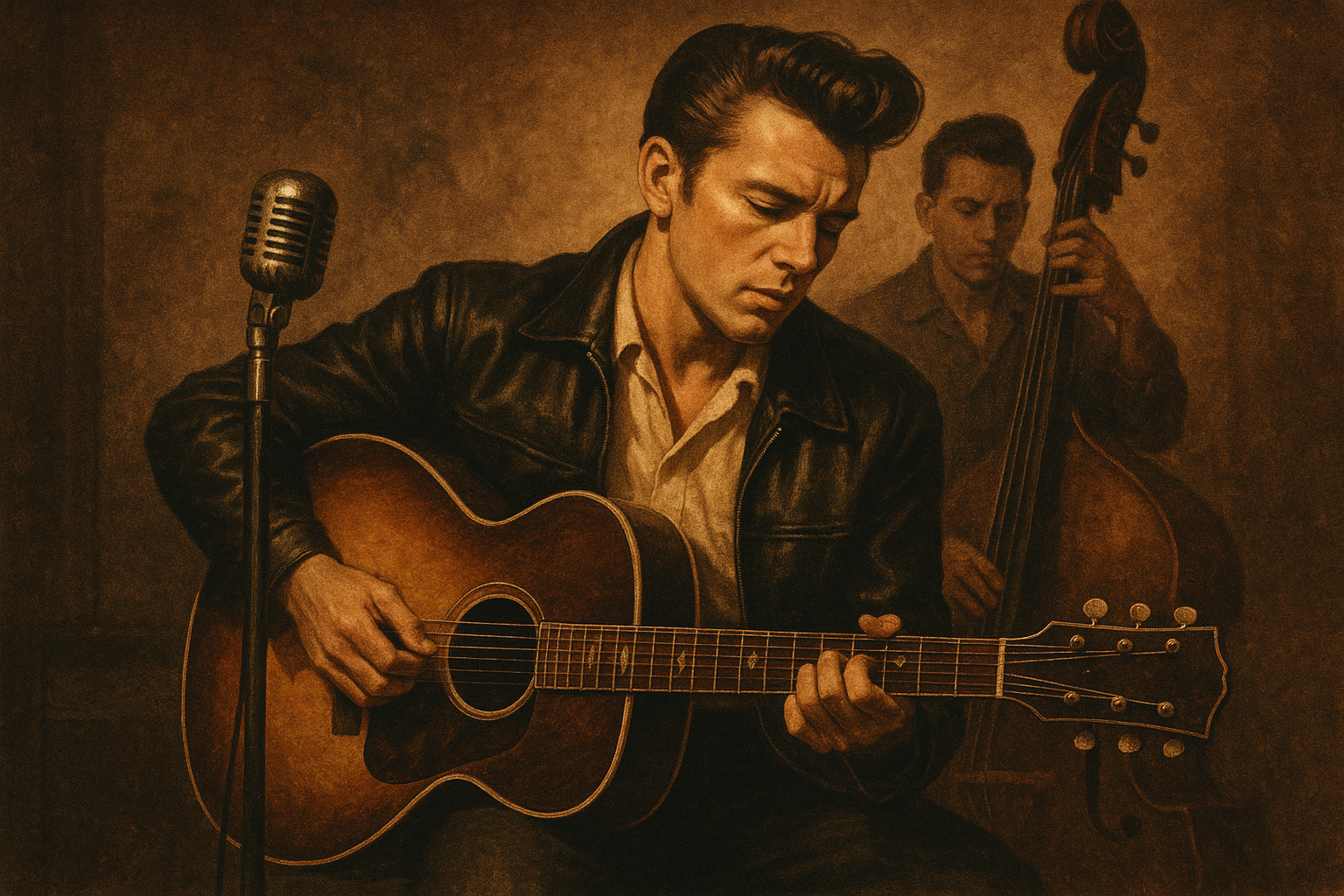
- prominent rhythm guitar and slap-style upright bass
- slapback-style studio echo in many recordings
- dance-oriented pulse rather than orchestral arrangement
- direct lyrical themes (relationships, movement, trouble, nightlife)
Not every record has all of these elements, but many classic references share most of them.
The First Wave That Lit the Fuse
The 1950s wave is usually discussed through recordings associated with artists such as Elvis Presley, Carl Perkins, Gene Vincent, Johnny Burnette Trio, and Wanda Jackson.
What matters editorially is not hero worship but pattern recognition: some records lean more toward country phrasing, others toward R&B rhythm, and the strongest cuts often combine both.
More Than a Genre: A Full Culture
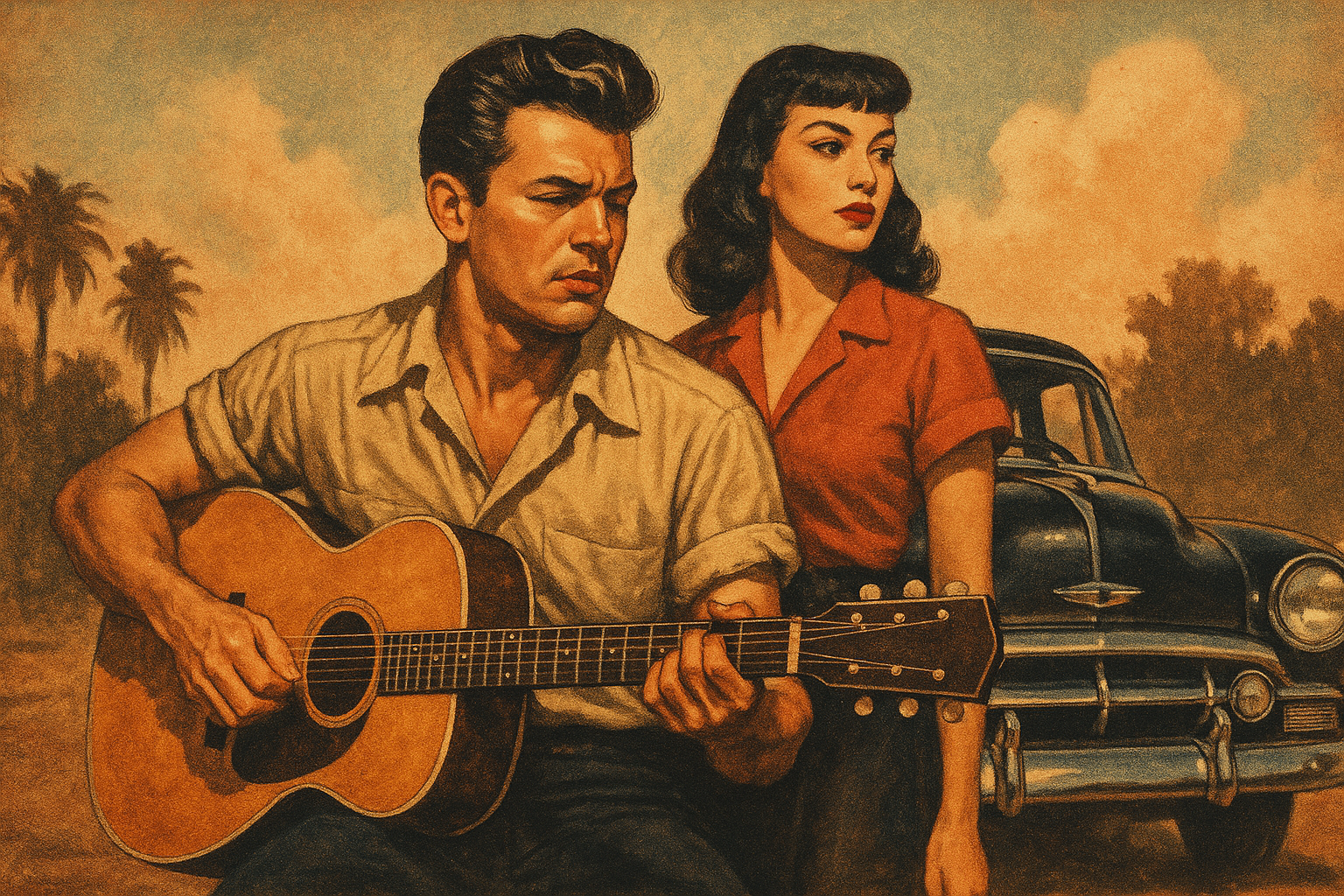
Rockabilly also functions as a social culture, not only a playlist category. Live events usually combine music with dance communities, record collecting, vintage aesthetics, and car culture.
This broader ecosystem explains why the scene persists even when radio visibility is limited.
Why It Still Works Today
Three reasons are consistently visible in current scenes:
- the repertoire is playable in small-band formats
- the dance connection keeps audience participation high
- the culture supports repeat attendance through community identity
This does not make rockabilly automatically successful in every market, but it does make it resilient when a local scene is well organized.
If You’re New, Start Here
A practical entry path:
- Listen to first-wave recordings from the 1950s.
- Compare with revival-era material from later decades.
- Attend one local event with live bands or DJ-led dance floor.
- Note which songs actually work in the room, not only on headphones.
This sequence gives a clearer understanding than algorithm playlists alone.