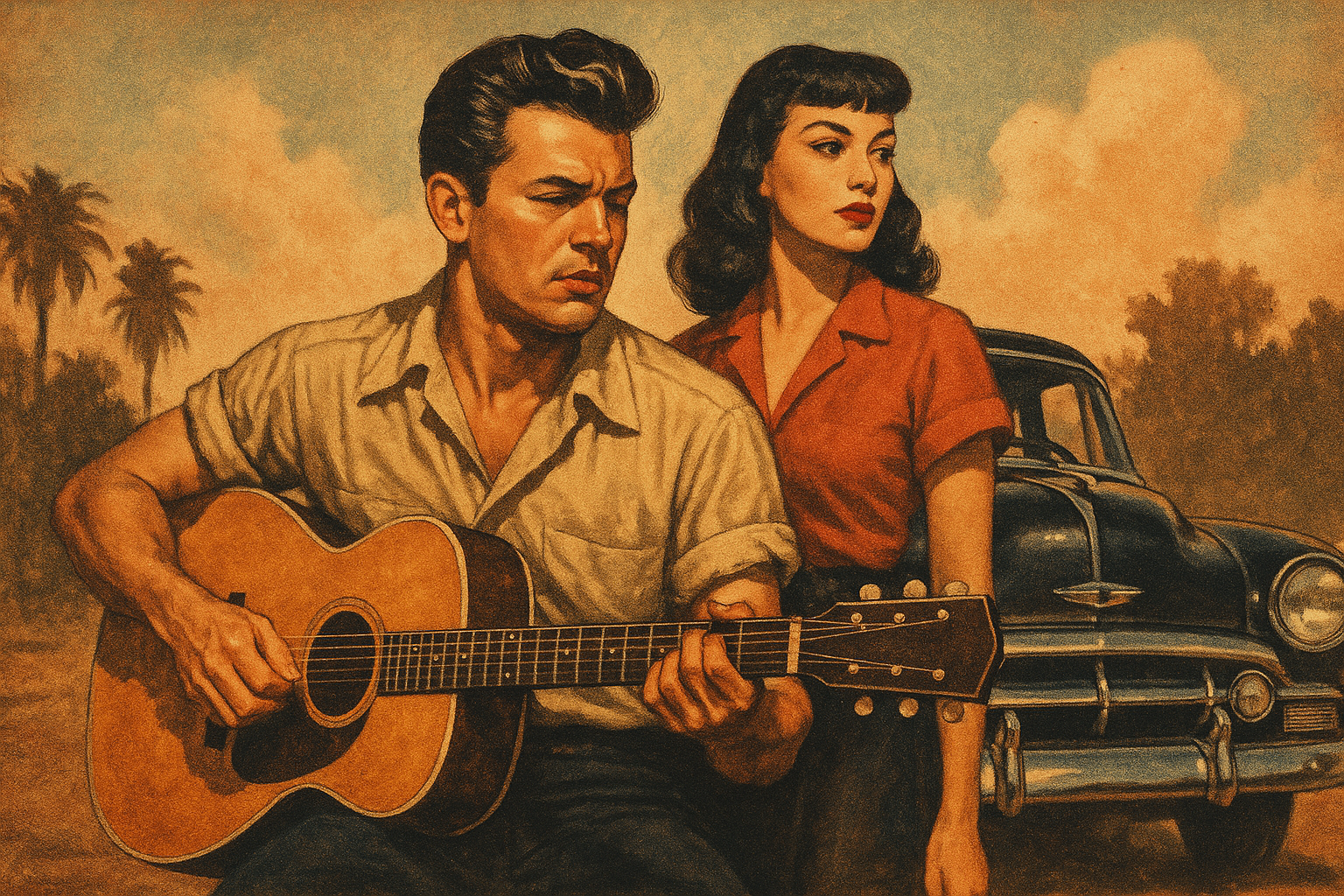

Women Who Hit First: Pioneers of Rockabilly and Rock and Roll
Mainstream narratives have often prioritized male figures, but early rockabilly and rock and roll history includes major female artists who shaped vocal style, performance language, and repertoire.
Treating those artists as central, rather than peripheral, produces a more accurate map of the period.
Not a Footnote—A Driving Force
Women in early rock and roll and adjacent scenes contributed in multiple ways:
- forceful vocal phrasing and phrasing contrast
- stage presence models later adopted by revival performers
- broader emotional range in lyrical interpretation
- visible challenge to restrictive industry expectations
Essential Names to Know
For a practical starting point, compare catalogs from artists such as Wanda Jackson, Janis Martin, Brenda Lee, Ruth Brown, and Big Mama Thornton.
Their trajectories differ, but together they show how strongly female performers influenced the period’s sound and stage culture.
What They Changed
Across recordings and live footage, recurring contributions include:
- sharper vocal attack and timing control
- commanding front-person role construction
- broader stylistic references for later scene generations
- long-term influence on rockabilly and roots revival interpretation
Why It Matters Now
In 2026, recognition should move beyond symbolic mentions.
Useful actions are concrete: include their songs in DJ programming, reference their recordings in educational content, and avoid “supporting role” framing when discussing genre origins.
Listening Tip
Try a side-by-side listening exercise: pick one male-led and one female-led recording from similar years and compare phrasing, rhythmic placement, and vocal dynamics.
This method helps reveal differences that summary histories often miss.