
Rockabilly Style: Clothes, Cars, and No-Fake Attitude
Rockabilly style works best when it is connected to music culture, not treated as isolated retro fashion.
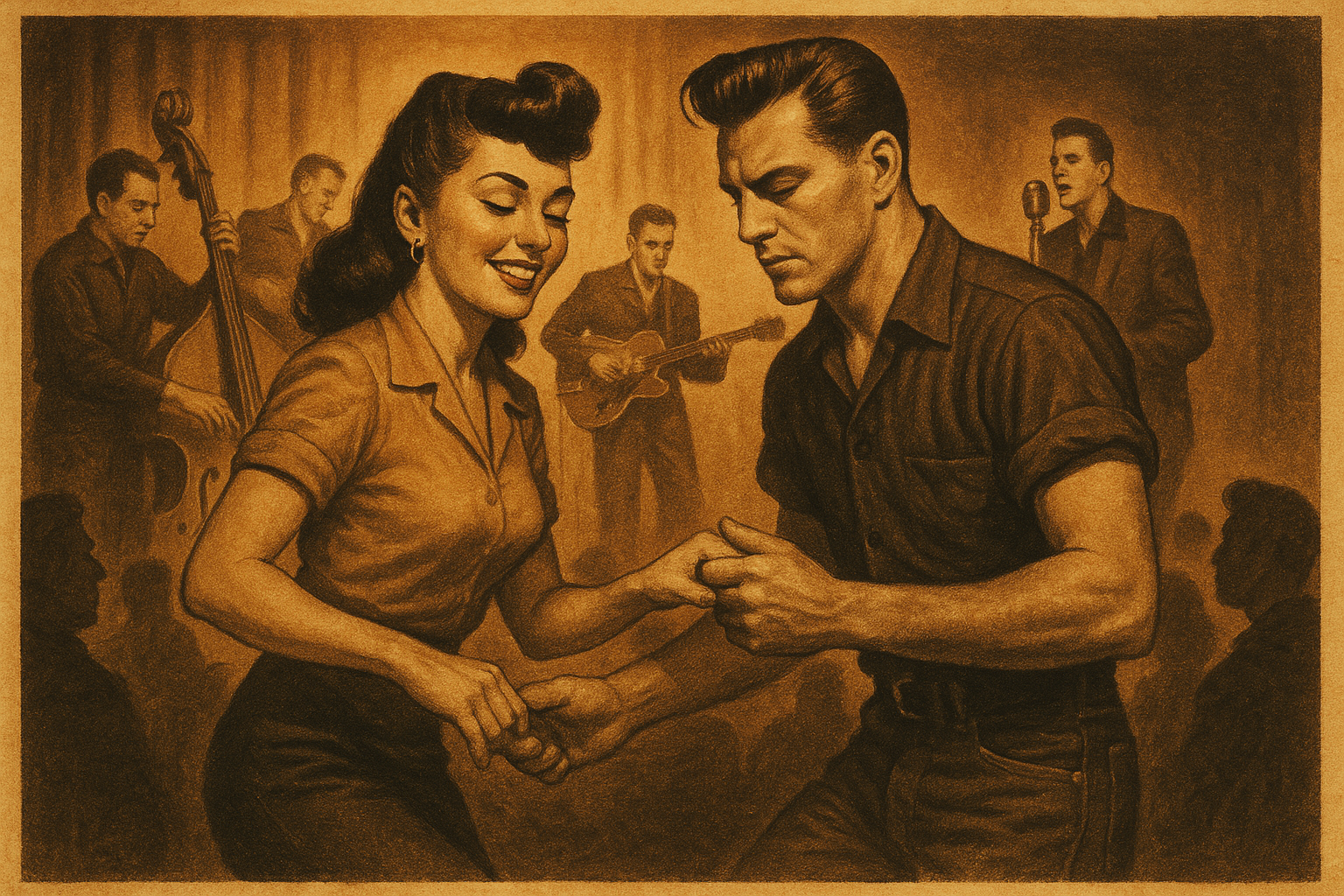
In active scenes, clothing, grooming, cars, dance, and record culture usually function as one shared social language.
Core Aesthetic Signals
Common references in many scenes include:
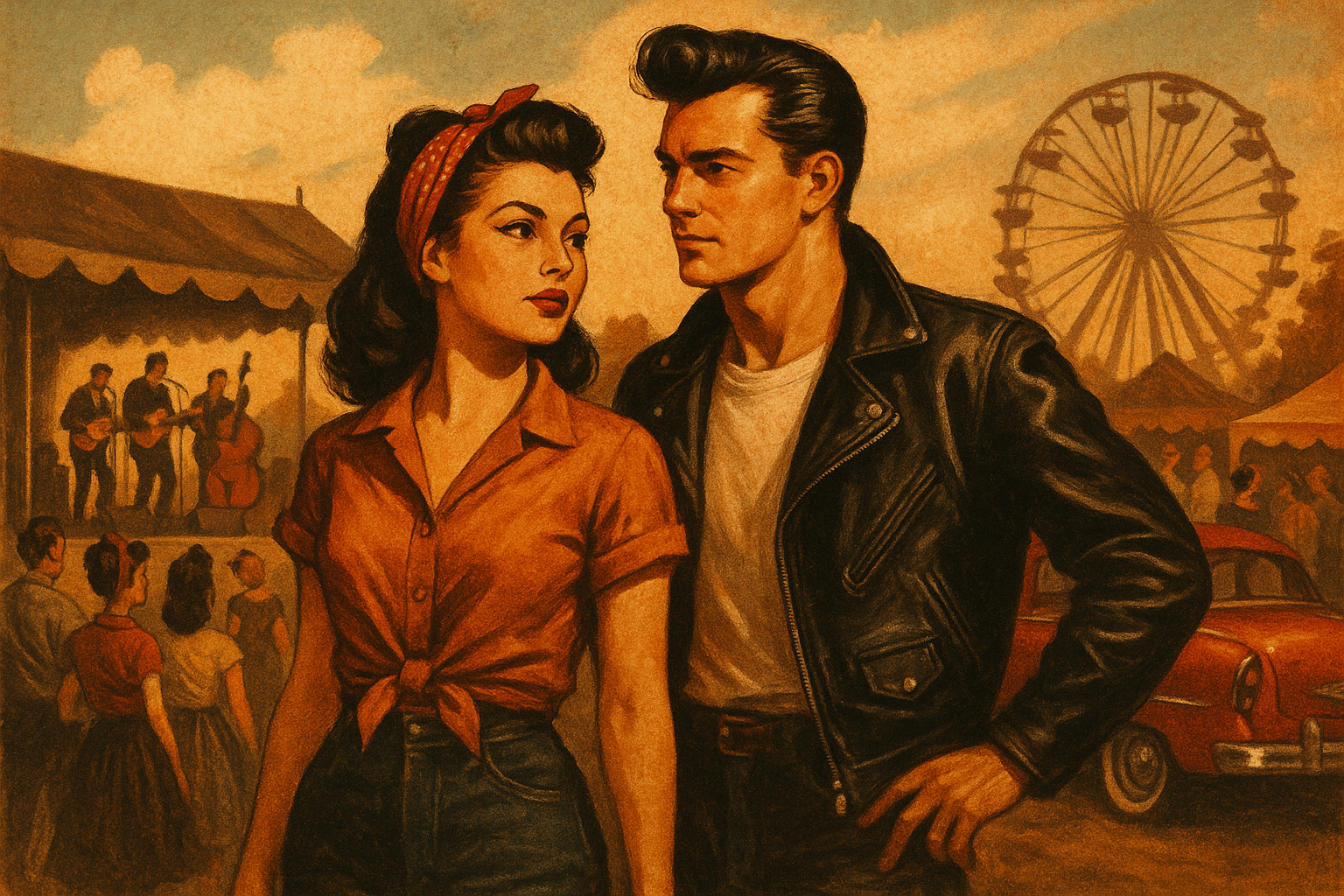
- pompadours and victory-roll inspired hairstyling
- denim, leather, bowling shirts, and tailored silhouettes
- visible interest in vintage design details
- tattoo and hot-rod subculture overlap in some events
These are recurring signals, not mandatory uniforms.
Cars and Culture
Car culture is closely tied to some rockabilly festivals and meetups, especially where classic vehicle programming is part of the event format.
When present, this connection is usually about craftsmanship and shared community rituals as much as visual impact.
The Trap to Avoid
A frequent mistake is reducing the culture to shopping cues.
Sustainable scene identity usually depends more on participation (gigs, dancing, local support, record listening habits) than on collecting visual markers only.
Keep It Real
Practical guidelines for newcomers:
- learn musical references before building an aesthetic
- prioritize quality and fit over quantity
- support local events and independent makers where possible
- let style evolve through actual scene participation
Why It Still Resonates
In 2026, this aesthetic still resonates for many people because it is tactile, craft-oriented, and community-linked.
Its strongest version appears when visual identity and musical engagement grow together.